General guide for international patients. It is not specific to DayBeau Clinic Myeongdong, and some treatments discussed may not be offered at the clinic — see the treatments linked below for what is.
Choosing between skin tightening options can be confusing, especially when both promise firmer, more lifted skin. Neither treatment is a substitute for surgery, and results vary from person to person depending on skin condition, age, and lifestyle factors.
What Ulthera and Thermage Are
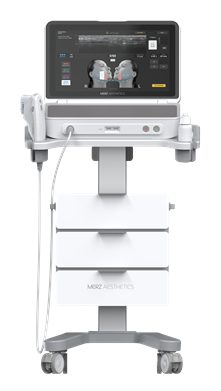
Ulthera, known in Korea as Ultherapy, uses focused ultrasound energy to reach deeper skin and connective tissue layers. The heat generated at these depths is intended to stimulate the skin's natural support structures, which may help with sagging around the jawline and lower face over time. Read about Ultherapy Prime in Myeongdong.
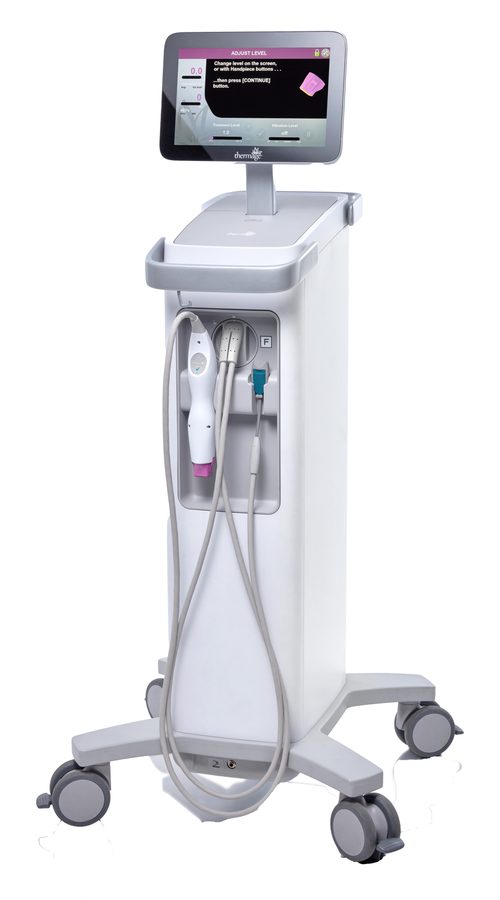
Thermage relies on radiofrequency energy instead of ultrasound. It heats the deeper dermis to encourage tightening and is often chosen to improve overall skin elasticity and facial contour. Both devices are non-surgical and do not involve incisions, but they work through different energy mechanisms and may feel different during treatment. Read about Thermage FLX at this clinic.
| Feature | Ulthera (Ultherapy) | Thermage |
|---|
| Energy type | Focused ultrasound | Radiofrequency |
| Typical focus | Jawline, lower face laxity | Skin elasticity, facial contour |
| Sensation | Deep, brief heat pulses | Warming with cooling tip contact |
Who It Suits
Ulthera may be considered by people who notice early sagging along the jaw or under the chin and want a non-surgical option. Thermage is often chosen by those looking for a broader improvement in skin firmness and texture across the face, and sometimes the neck. In practice, many patients ask about Ulthera vs Thermage together because their concerns overlap, such as mild laxity combined with a desire for firmer-looking skin without downtime.
A consultation with a doctor can help determine which approach, or combination, may be more appropriate for your skin type and goals. Suitability depends on individual skin thickness, degree of laxity, and expectations, which is why in-person assessment matters more than reading a general comparison. Read about Emface vs Thor RF.
Who Should Avoid It
These treatments are generally not recommended for those who are pregnant, have active skin infections or open wounds in the treatment area, or have certain implanted devices such as pacemakers, unless cleared by a physician. People with active severe acne, autoimmune skin conditions, or a history of unusual scarring should discuss their history in detail during consultation. Those expecting dramatic or permanent lifting results from a single session may also find that neither treatment matches that expectation, since effects are typically gradual and moderate.
How the Session Goes
Before either treatment, the treating doctor typically reviews your skin condition and medical history. A topical numbing cream may be applied to reduce discomfort, since both devices deliver heat to deeper layers. Read about Juvelook vs Rejuran.
During an Ulthera session, the device is moved across the treatment area in a grid pattern, and patients often feel brief, deep warming sensations as ultrasound energy is delivered. Thermage sessions involve a handpiece with a cooling tip placed against the skin, delivering radiofrequency energy in short pulses. Session length varies depending on the treatment area covered but commonly ranges from thirty minutes to about an hour. Most patients remain awake and alert throughout, and no incisions are made in either procedure.
Downtime and Recovery
One of the appeals when comparing Ulthera vs Thermage is that both are designed to allow patients to resume normal activities shortly afterward. Mild redness or warmth in the treated area is common immediately after treatment and usually settles within a few hours to a day. Some patients report mild swelling or tenderness for a short period, though this is generally temporary.
Sun protection and gentle skincare are usually advised in the days following treatment. Visible improvement, when it occurs, tends to develop gradually over weeks to a few months as the body's own tissue response continues, rather than appearing immediately after the session.
Safety
Both Ulthera and Thermage are widely used energy-based devices in aesthetic practice, but no cosmetic treatment is entirely free of risk. Possible effects can include temporary redness, swelling, bruising, or, less commonly, small areas of numbness or uneven results. Results are not guaranteed and can differ based on skin condition, age, and how the skin responds to heat-based stimulation.
Frequently asked questions
Is Ulthera or Thermage better for jawline sagging?
Ulthera is often discussed specifically in relation to jawline and lower face laxity, but individual results vary, and a doctor's assessment is the best way to determine which option suits your skin.
Can I combine Ulthera and Thermage in one visit?
Some patients explore combination approaches, but this depends on skin condition and the treating doctor's recommendation, so it should be discussed during a consultation rather than assumed in advance.
How many sessions are typically needed?
The number of sessions varies by individual and treatment goals; some patients see gradual change after one session, while others may consider a follow-up session based on their doctor's advice.
Will there be visible downtime after treatment?
Most patients experience only mild, short-term redness or warmth and are able to return to daily activities shortly after either Ulthera or Thermage.
More patient articles
The information on this page is general and is not medical advice. It does not replace a consultation with a doctor. Every procedure carries risk, suitability differs between individuals and an outcome cannot be guaranteed. Prices are in Korean won and exclude 10% VAT; event prices can change.
 Myeongdong