Skin Boosters in Seoul
Skin boosters are injectable treatments designed to hydrate, plump, and gradually improve the texture of the skin rather than dramatically reshape facial contours. If you are searching for a booster treatment in Seoul, DOD Skin Cheongdam offers a range of options, from collagen-stimulating injectables to exosome-based formulas, administered by the clinic's medical team. This page gives an overview of how these treatments generally work, who tends to benefit, and what to expect before booking a consultation for a specific product.
What skin boosters are
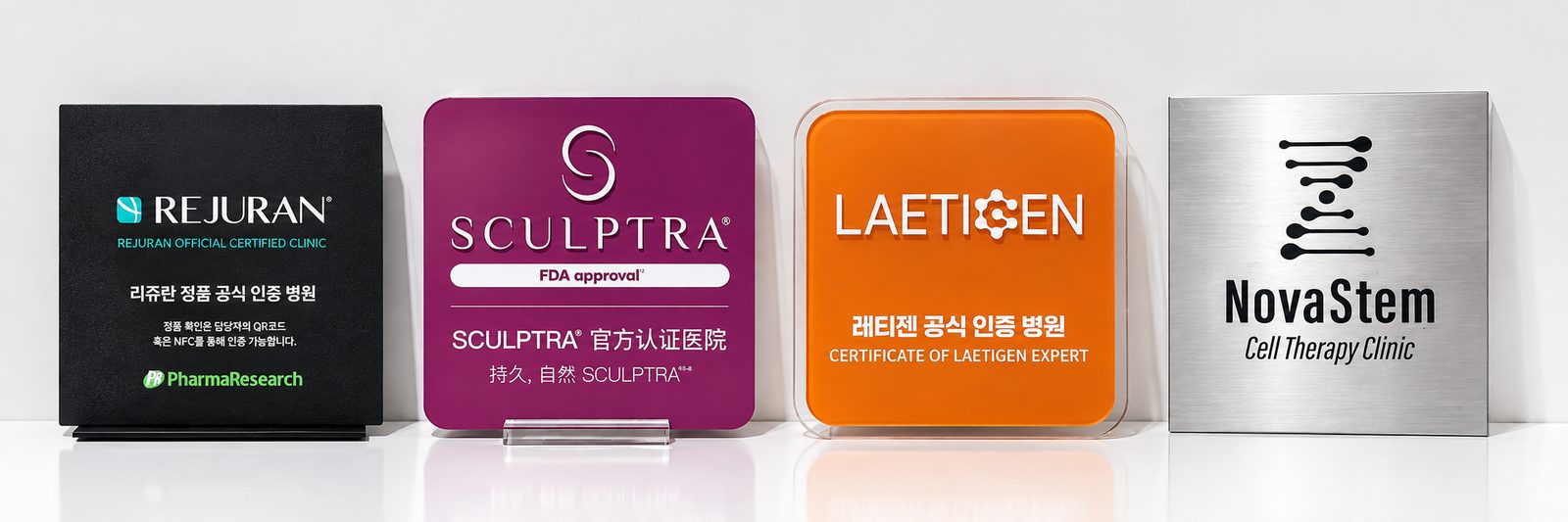
The category covers a variety of injectable products, including Sculptra, Lituau, Lebix, Retigen, Juvelook, Radiesse, Gouri, Hyloa Wave, Olivia, Rejuran, Exosome, and Filloga. Most are delivered through fine needle injections into the mid or deep dermis, where they are intended to stimulate the skin's own collagen production, improve hydration, or support skin quality over time. Some, like Sculptra and Radiesse, are more associated with volume restoration and contouring, while others, such as Rejuran and Exosome-based options, focus on general skin rejuvenation. Because formulations differ in composition and mechanism, the exact effect and duration vary by product and by individual.
Who skin boosters suit
These treatments are generally considered by adults who notice early signs of dullness, dehydration, fine lines, or loss of skin firmness, and who are looking for a less invasive alternative to surgical procedures. Patients seeking a booster treatment in Seoul often combine a short trip with a consultation and one or more sessions, since many boosters require minimal downtime. Suitability depends on skin condition, medical history, and treatment goals, which is why an in-person or virtual consultation with one of the clinic's doctors is recommended before choosing a specific product.
Who should avoid skin boosters
Skin boosters are not appropriate for everyone. Individuals who are pregnant or breastfeeding, have active skin infections or inflammation in the treatment area, have a history of keloid scarring, or have known allergies to any component of a given product should discuss this with a doctor before proceeding. People with bleeding disorders, those currently on blood-thinning medication, or those with unmanaged autoimmune conditions may also need to be evaluated more carefully. Because individual medical histories vary widely, a consultation is the only reliable way to determine whether a particular booster is suitable for you.
How a session goes
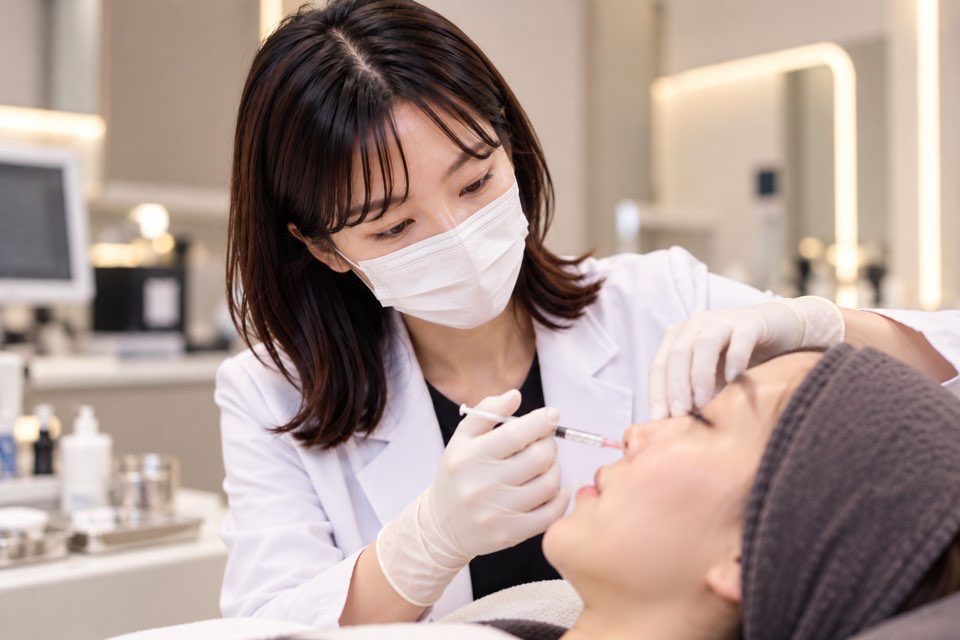
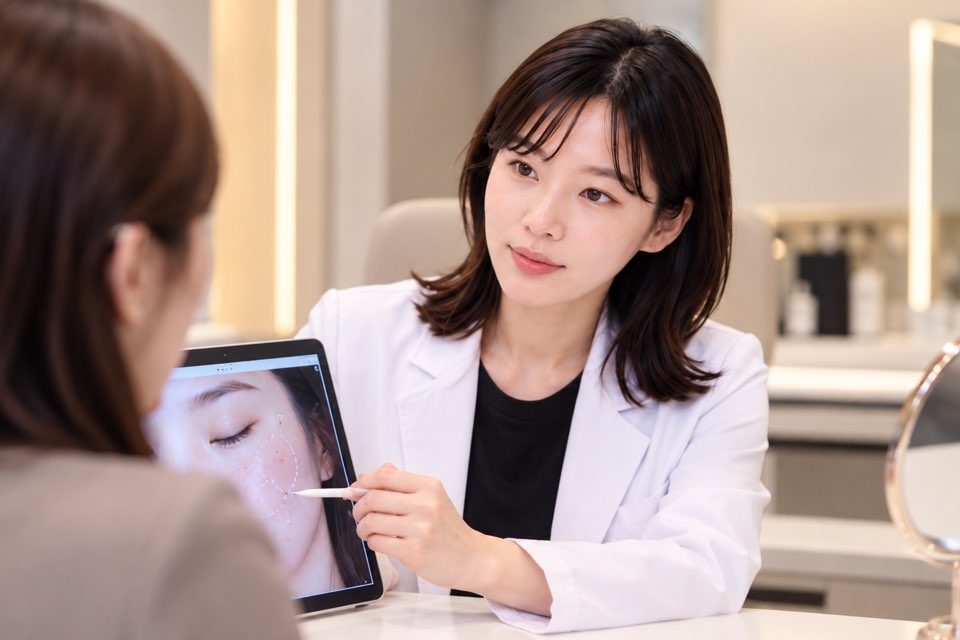
A typical visit begins with a consultation where the doctor reviews your skin concerns, medical history, and expectations. Depending on the product selected, the skin may be cleansed and a topical numbing cream applied before injections. The doctor then administers the booster using a needle or micro-cannula technique, targeting specific areas of the face or, in some cases, the neck or hands. Session length varies by product and treatment area, but most bookings for a single booster session are completed within an hour, including preparation and aftercare instructions.
Downtime and recovery
Downtime after a booster session is generally shorter than after surgical procedures, though it is not the same for every product. Mild redness, small bumps, or slight bruising at injection sites are common and usually settle within a few days. Some patients experience temporary swelling, particularly with volumizing options like Sculptra or Radiesse. The clinic typically advises avoiding strenuous exercise, saunas, and excessive sun exposure for a short period after treatment, and following any specific aftercare notes provided by the treating doctor. Full results from collagen-stimulating boosters are not immediate; they tend to develop gradually over several weeks as the skin responds to treatment.
Pricing
Specific pricing for each skin booster is not listed publicly and is determined during consultation, since it depends on the product chosen, the number of sessions recommended, and individual treatment planning. Patients considering a booster treatment in Seoul should request a written quote at the time of consultation. Any quoted price may be subject to VAT, and consultation fees may vary depending on the scope of the visit.
Safety
All injectable treatments carry some degree of risk, including temporary bruising, swelling, tenderness, or, less commonly, infection or allergic reaction. Results are not guaranteed and will differ between patients based on skin type, age, lifestyle, and the specific product used. The clinic's medical team includes doctors with backgrounds in dermatology and related fields, along with a research director who has a background in stem cell and regenerative research; treatment plans are intended to be discussed individually rather than applied as a one-size-fits-all protocol. Patients are encouraged to disclose their full medical history, including allergies and current medications, before any procedure.
| Treatment | Type |
|---|---|
| Sculptra | Collagen-stimulating booster, volume and contouring |
| Radiesse | Collagen booster injectable |
| Rejuran | Skin booster injectable |
| Exosome | Exosome-based skin booster |
| Juvelook | Collagen booster injectable |
| Lituau, Lebix, Retigen, Gouri, Hyloa Wave, Olivia, Filloga | Collagen or skin booster injectables offered on demand |
Each of these treatments has its own profile in terms of composition, injection technique, and expected timeline for visible change. Because the clinic offers boosters on an on-demand basis, availability of a specific product should be confirmed when booking. Individual treatment pages, where available, provide more detail on each option; this overview page is intended to help you understand the general category before narrowing down a choice.
Frequently asked questions
What is the difference between a skin booster and a dermal filler?
Skin boosters are generally designed to improve hydration, texture, and overall skin quality through fine injections spread across an area, while traditional dermal fillers are more often used to add localized volume or reshape specific features; some products, like Sculptra and Radiesse, can serve both purposes depending on technique.
How many sessions of a booster treatment are usually needed?
This varies by product and individual skin condition; some patients see gradual improvement after a single session, while others may be advised to have a short series of sessions spaced weeks apart, which will be discussed during consultation.
Is there significant downtime after a booster injection?
Most patients experience only mild redness, minor swelling, or small bruises that resolve within a few days, though this depends on the specific product and the individual's skin response.
Can international patients book a booster treatment in Seoul for a short trip?
Many patients do combine a consultation and treatment session with travel plans, but timing should account for any recommended recovery period and the possibility that follow-up sessions may be advised for optimal results.
Are the results from skin boosters permanent?
No injectable skin booster produces a permanent effect; results typically fade gradually over time, and the duration varies by product, treatment area, and individual factors such as metabolism and skin condition.