TX

Botox in Seoul

Medically reviewed by Lee Joon, Chief Medical Director (대표원장) · Reviewed by our editorial team

Botox in Seoul is one of the most frequently requested injectable treatments among visitors to Gangnam-gu, and DOD Skin Cheongdam is one of the clinics offering this service to international patients. Botulinum toxin injections are used to relax targeted facial muscles, which can soften dynamic wrinkles and, in some cases, contribute to a more refined facial contour. This page explains what the treatment involves, who tends to benefit, and what to expect before and after a session at our Cheongdam-dong location.

What it is

Botox refers to a purified form of botulinum toxin that, when injected in small, controlled doses, temporarily reduces the activity of specific facial muscles. This muscle relaxation can smooth out wrinkles caused by repeated facial expressions, such as lines around the forehead, between the brows, or near the eyes. It is also commonly used off-label for jaw slimming by reducing the size of the masseter muscle, and for shoulder or calf contouring in some cases. The effect is not a filler or volumizer; it works by temporarily interrupting nerve signals to the muscle rather than adding volume.

Results are not immediate. Most patients begin noticing changes within a few days, with the fuller effect typically visible after one to two weeks. The duration of effect varies by individual, treatment area, and dosage, and it is not a permanent solution — repeat sessions are generally needed to maintain results over time.

Who it suits

Botox is generally considered for adults who have visible dynamic wrinkles, mild to moderate muscle-related asymmetry, or who are interested in a non-surgical option for facial contouring. It may also suit patients looking for preventive treatment before wrinkles become more pronounced, although individual skin and muscle characteristics vary widely. A consultation with one of the clinic's doctors is the appropriate way to determine whether the treatment aligns with a patient's goals and anatomy.

Who should avoid it

Botox is not appropriate for everyone. Patients who are pregnant or breastfeeding, those with certain neuromuscular disorders, or people with active skin infections in the treatment area are typically advised against the procedure. Individuals with known allergies to botulinum toxin components, or those currently taking medications that may interact with the toxin's effect, should disclose this during consultation. Because individual medical history matters, a thorough discussion with the treating doctor before any injection is essential, and the clinic will assess suitability on a case-by-case basis.

How the session goes

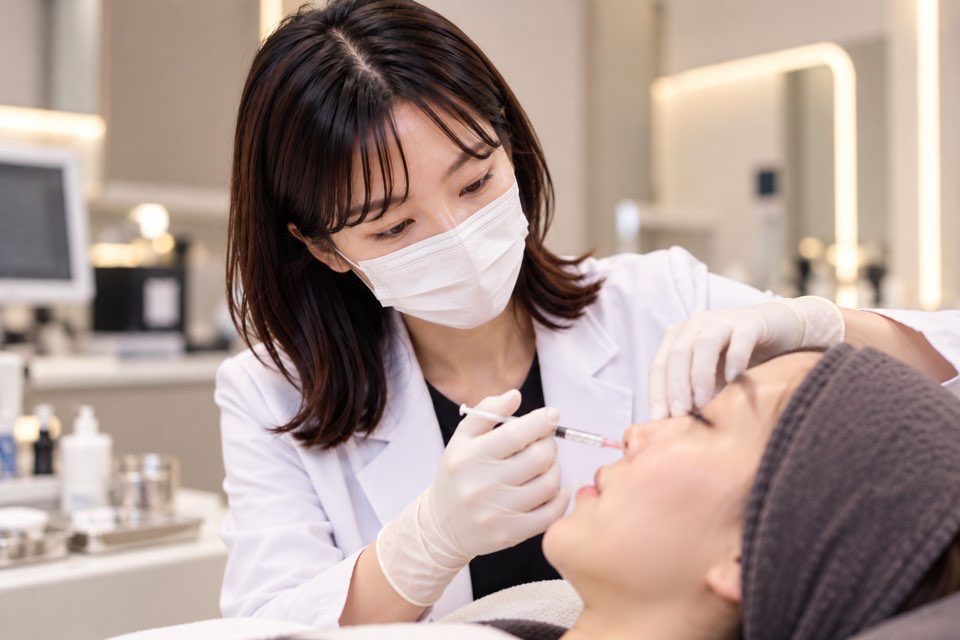
A typical visit begins with a consultation where the doctor reviews the patient's facial structure, medical history, and treatment goals. Photographs may be taken for reference. The treatment area is cleaned, and in some cases a topical numbing cream is applied to reduce discomfort, though many patients tolerate the injections without it. The doctor then administers the injections using a fine needle at predetermined points, a process that usually takes only a few minutes depending on the number of areas treated. There is no sedation involved, and patients can typically resume most daily activities immediately afterward.

Because the clinic team includes physicians with different backgrounds — including Dr. Lee Joon, the Chief Medical Director, and other doctors on staff — the exact provider for a given appointment will be confirmed during scheduling or consultation.

Downtime and recovery

One of the appeals of Botox is its minimal downtime. Most patients experience little to no visible recovery period and can return to work or travel plans the same day. Mild redness, small bumps at the injection site, or slight bruising can occur but usually resolves within a few days. Some patients report temporary tightness or a heavy sensation in the treated muscle, particularly with jaw or masseter treatments, which typically fades as the muscle adjusts.

Patients are usually advised to avoid vigorous exercise, alcohol, and lying flat for several hours after treatment, and to avoid massaging the treated area for a day or two to help the toxin settle properly. Individual recovery experiences can differ, and any unusual or prolonged symptoms should be reported to the clinic promptly.

Pricing

Specific pricing for Botox at DOD Skin Cheongdam depends on the treatment area, the number of units required, and the patient's individual consultation with the doctor. As exact costs are not fixed in advance, patients are encouraged to contact the clinic directly at 02-6203-6263 or by email at [email protected] for an estimate. Please note that quoted prices may be subject to VAT and can vary depending on additional consultation needs or combination treatments.

Safety

Botox has been used in aesthetic and medical settings for many years, and when administered by a trained physician, it is generally considered a low-risk procedure. However, no injectable treatment is entirely without risk, and outcomes vary between individuals depending on anatomy, dosage, and how the body responds to the toxin. Temporary side effects such as bruising, headache, or asymmetry can occur, and in rare cases, more significant complications like drooping eyelids may develop, usually resolving on their own over time. Choosing a clinic with licensed medical staff and disclosing full medical history are important steps in minimizing risk. Patients should discuss any concerns directly with the treating doctor before proceeding.

Frequently asked questions

How long does a Botox session usually take?

Most sessions take only a short amount of time, often around ten to twenty minutes including preparation, though this can vary depending on the number of treatment areas.

When will I see results after getting Botox in Seoul?

Initial changes are often visible within three to five days, with fuller results generally appearing around one to two weeks after treatment.

How long does the effect of Botox typically last?

Duration varies by individual and treatment area, but effects commonly last several months before muscle activity gradually returns, at which point a follow-up session may be considered.

Is Botox painful?

Most patients describe mild discomfort similar to a small pinch. Topical numbing cream can be used if needed, though many find the injections manageable without it.

Can I combine Botox with other treatments during my visit?

Combination approaches are sometimes discussed during consultation, but suitability depends on individual skin condition and treatment goals, so this should be reviewed directly with the doctor.

General information for international patients. Not medical advice. Individual results vary; consult a qualified physician.

Related

DOD Skin Cheongdam — verify this clinic directly: Official Website · Instagram · YouTube · Naver