Lifting & Tightening in Seoul
Choosing a lifting treatment seoul clinics offer can feel overwhelming, given how many devices and techniques are now available. This page introduces the lifting and tightening options provided at DOD Skin Cheongdam, located at 423 Dosan-daero, Gangnam-gu, Seoul, and explains what patients should generally expect before booking a consultation. Each treatment below has its own dedicated page with further detail, but this overview is meant to help visitors compare approaches and understand general suitability, recovery, and safety considerations.
What lifting and tightening treatments are
Non-surgical lifting treatments use energy-based devices, such as ultrasound or radiofrequency, or mechanical methods like absorbable threads, to stimulate the skin's supportive structures. The goal is typically to reduce mild to moderate sagging, refine facial contour, and improve skin firmness without surgical incisions. Results tend to develop gradually as collagen remodeling occurs over weeks to months, and the degree of visible change varies from person to person depending on skin quality, age, and baseline laxity.
Treatments offered
DOD Skin Cheongdam offers several device-based and thread-based lifting options as part of an on-demand lifting program tailored during consultation.
| Treatment | Category | Description |
|---|---|---|
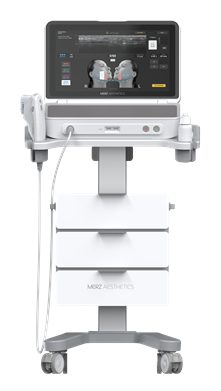
| Ulthera | Ultrasound lifting | Delivers ultrasound energy to deeper skin layers to address laxity and jawline sagging. |
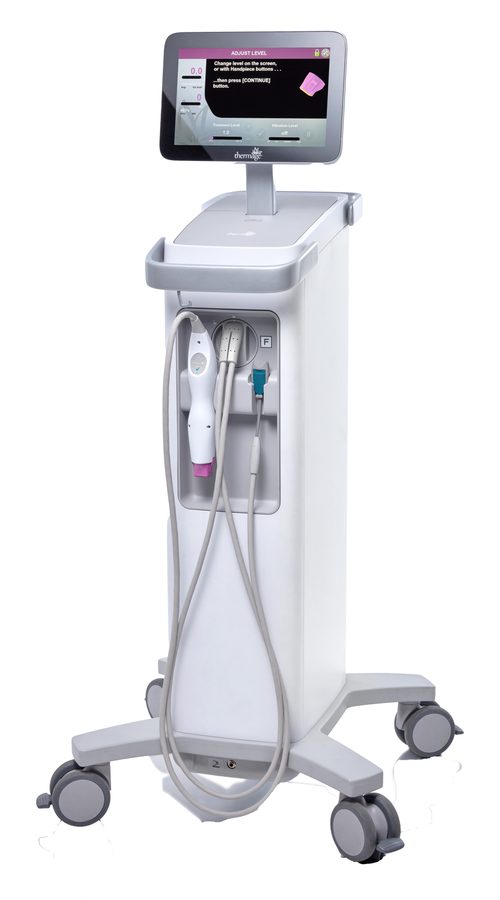
| Thermage | Radiofrequency lifting | Uses radiofrequency to support skin elasticity and facial contour. |
| Densiti | Lifting | Included in the clinic's lifting program. |
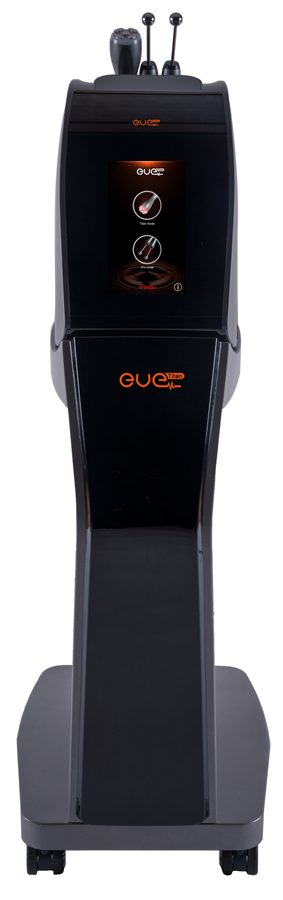
| Titanium | Lifting | Included in the clinic's lifting program. |
| Tune | Lifting | Included in the clinic's lifting program. |
| Emface | Lifting | Device-based option in the clinic's lifting program. |
| Thor RF | Radiofrequency lifting | RF-based treatment within the lifting program. |
| Alltight | Lifting | Included in the clinic's lifting program. |
| Thread Lifting | Mechanical lifting | Uses absorbable threads for contouring as part of the program. |
Who these treatments suit
These options are generally considered by adults with mild to moderate skin laxity who are not yet seeking or ready for surgical facelift procedures. Common concerns include jawline softening, cheek sagging, and general loss of skin firmness with age. Because devices differ in depth of energy delivery and mechanism, suitability is assessed individually; a patient with primarily fine lines may be guided toward a different option than someone with more pronounced jowling. A consultation with the clinical team helps match a treatment, or combination of treatments, to the specific concern.
Who should avoid or delay treatment
Lifting treatments are typically not recommended during pregnancy, in the presence of active skin infection or inflammation in the treatment area, or for patients with certain implanted devices such as pacemakers, depending on the technology used. Individuals with active severe acne, open wounds, or uncontrolled autoimmune skin conditions in the area should discuss timing with the treating doctor. Those with unrealistic expectations about outcomes, or who are seeking a surgical-level result from a non-surgical procedure, should have a clear discussion with the doctor about what is achievable before proceeding.
How a session typically goes
Sessions usually begin with a consultation and skin assessment, followed by cleansing of the treatment area. Depending on the device, a topical numbing cream may be applied beforehand to improve comfort. The treatment itself, whether ultrasound, radiofrequency, or thread-based, is administered by the clinical team, with duration depending on the area treated and device selected. Most patients describe sensations ranging from warmth to brief moments of discomfort, particularly with deeper-penetrating ultrasound settings. Sunscreen and gentle skincare are usually recommended immediately afterward.
Downtime and recovery
Recovery varies by treatment type. Radiofrequency and ultrasound-based procedures like Thermage and Ulthera generally involve minimal downtime, with some patients experiencing temporary redness, mild swelling, or tenderness for a day or two. Thread lifting may involve slightly more noticeable swelling, bruising, or a pulling sensation for several days to a couple of weeks as the tissue adjusts. Most patients return to normal daily activities the same day or the next, though strenuous exercise, saunas, and intense facial massage are often advised against for a short period following any of these procedures. Individual recovery experiences differ, and the treating doctor will provide specific aftercare guidance based on the chosen treatment.
Pricing and consultation
Specific pricing for each lifting treatment is determined during an in-person consultation, as costs depend on the area treated, number of sessions, and device settings recommended for the individual case. Prices are not listed publicly on this page because they vary by treatment plan; patients are encouraged to contact the clinic directly for a personalized quote. Please note that VAT and consultation fees may apply and can vary. The clinic can be reached at 02-6203-6263 or [email protected] for inquiries.
Safety considerations
As with any energy-based or minimally invasive procedure, lifting treatments carry some risk of temporary side effects, including redness, swelling, bruising, or, less commonly, small areas of numbness or asymmetry that typically resolve over time. No treatment can guarantee a specific outcome, and results differ between individuals based on skin condition, age, and how the body responds to treatment. A thorough consultation, disclosure of medical history, and realistic discussion of expected results with the doctor are important steps before any procedure. Dr. Lee Joon, Chief Medical Director, is a Dermatology Specialist and graduate of Seoul National University College of Medicine; the clinical team also includes doctors with backgrounds in dermatology and related fields, as detailed on individual treatment pages.
Visiting the clinic
DOD Skin Cheongdam is open Monday through Thursday from 10:00 to 19:00, with a break from 13:00 to 14:00. On Fridays, hours extend to 21:00, also with a midday break. Saturday hours are 10:00 to 16:00. International patients planning a lifting treatment seoul visit are encouraged to book a consultation in advance, particularly if travel schedules are tight, so that the clinical team can review medical history and discuss suitable options before the appointment date.
Frequently asked questions
How do I know which lifting treatment is right for me?
This is best determined during an in-person consultation, where the doctor examines your skin laxity, discusses your concerns, and recommends a treatment or combination based on your individual condition.
Can I combine multiple lifting treatments in one visit?
Some patients do combine treatments, such as an ultrasound-based device with radiofrequency, but this depends on skin condition and the doctor's assessment; combining treatments is not automatically recommended for everyone.
How long do results from lifting treatments usually last?
Results vary by individual and by treatment type, generally lasting several months up to around a year or more before gradual natural aging processes continue; they are not permanent, and maintenance sessions may be discussed with your doctor.
Is there a lot of pain during these procedures?
Most patients report mild to moderate discomfort, often described as warmth or brief pressure, which numbing cream can help reduce; sensitivity varies from person to person.
Do I need to plan extra recovery days when traveling to Seoul for treatment?
Many lifting treatments involve minimal downtime, but it is wise to allow a buffer of a day or two after your session before intensive travel activities, especially if you choose thread lifting or a more intensive device setting.