CAT

Skin in Seoul

Medically reviewed by Lee Joon, Chief Medical Director (대표원장) · Reviewed by our editorial team

Seoul is one of the world's most concentrated hubs for dermatology and aesthetic medicine, and Gangnam in particular has become a common stop for visitors researching a skin treatment in Seoul before committing to a clinic. DOD Skin Cheongdam, located at 423 Dosan-daero, Gangnam-gu, offers a range of device-based skin programs alongside specialized services such as keloid scar care. This page gives an overview of what is available, who these treatments generally suit, and what to expect if you book a consultation while in the city.

What skin treatments are offered

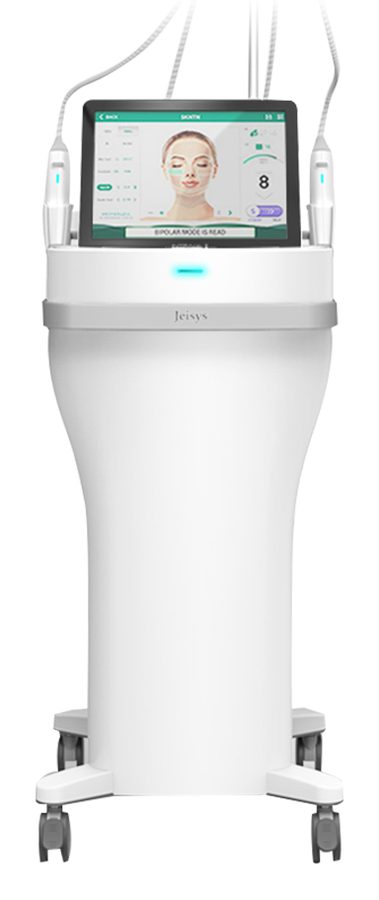
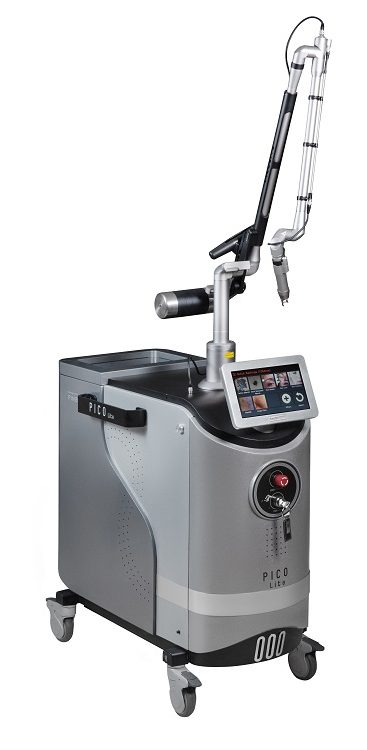
The clinic's skin category includes several device-based options that are often grouped together as part of an on-demand face and body program, meaning a doctor may combine or adjust devices depending on the concern being addressed. These include Sylfirm X, Doubletight, and Curejet, which are generally used for pores, texture, and scarring concerns. The clinic also offers hair removal, general esthetic skin care, and a dedicated keloid clinic for patients with raised or thickened scar tissue. Because each of these falls under a broader skin treatment approach in Seoul clinics, exact device selection is usually finalized after an in-person or photo-based consultation rather than fixed in advance.

Who these treatments suit

Device treatments for pores and scarring are typically considered by patients who have enlarged pores, uneven texture, mild acne scarring, or early signs of skin laxity. Hair removal is aimed at patients seeking longer-term reduction of unwanted hair, though results and the number of sessions needed vary by hair type, area, and skin tone. Esthetic care is generally suited to patients looking for maintenance-level skin support rather than a specific medical concern. The keloid clinic is intended for patients who have a documented history of keloid or hypertrophic scarring and want a plan tailored to that tissue type. Suitability differs from person to person, and a consultation is the appropriate way to confirm whether a specific option is reasonable for your skin.

Who should avoid or delay treatment

Patients who are pregnant or breastfeeding, who have active skin infections, open wounds, or unstable inflammatory skin conditions in the treatment area, are generally advised to postpone device-based procedures until cleared by a physician. Those with a history of poor wound healing, certain autoimmune conditions, or recent isotretinon use may also need additional evaluation before some treatments, particularly anything involving heat-based devices or scar work. Because keloid-prone skin behaves differently from typical skin, patients considering the keloid clinic should disclose their full scarring history so the treating doctor can judge whether a given approach is appropriate. If you are uncertain about a medical condition or medication, it is best to mention it during consultation rather than assume it will not matter.

How a typical visit goes

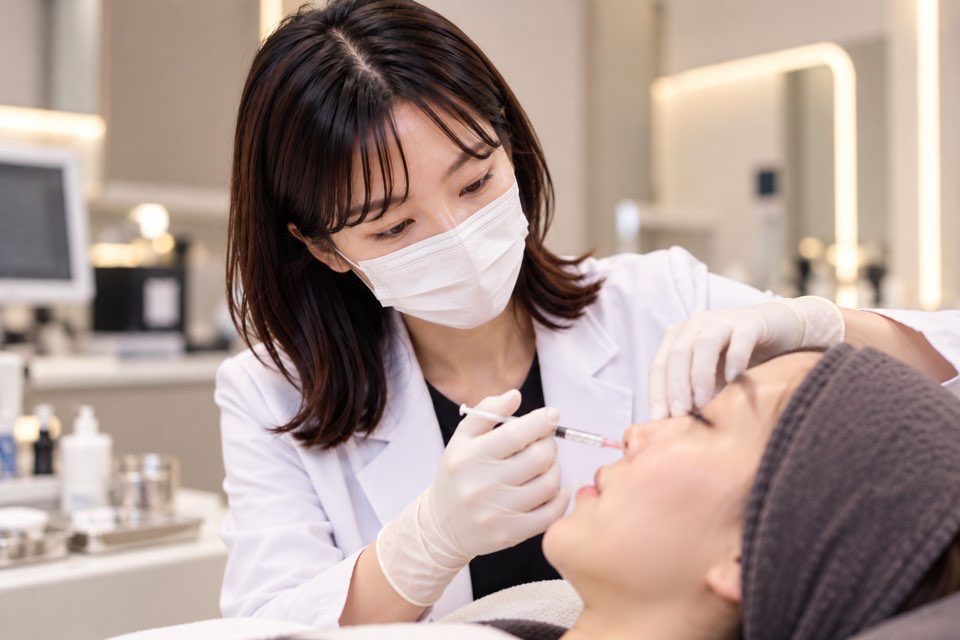
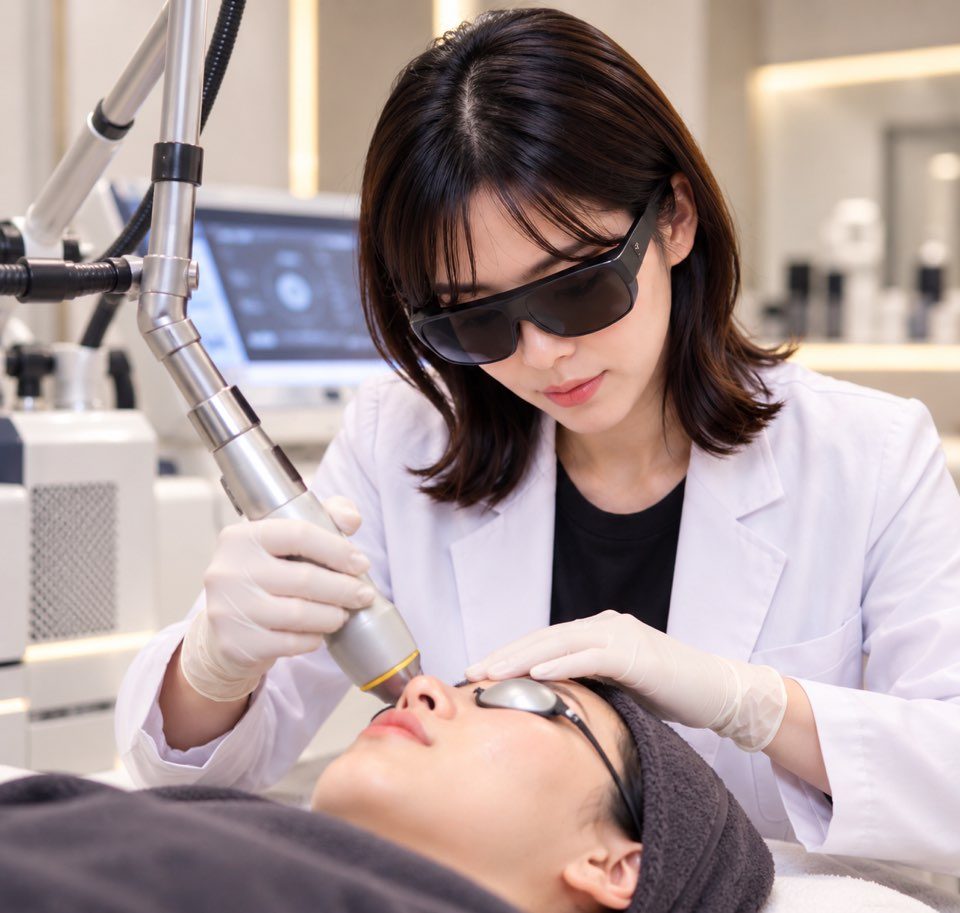
Most visits begin with a short consultation where a doctor reviews your skin concern, relevant history, and expectations. For device treatments such as Sylfirm X, Doubletight, or Curejet, the skin is usually cleansed and, depending on the device, a topical numbing agent may be applied before the procedure. Session length depends on the area treated and the device combination chosen, and it is not unusual for a single visit to involve more than one modality if the doctor determines it is suitable. Hair removal sessions are generally shorter and more routine, while keloid clinic visits may involve a more detailed discussion of scar history and a longer initial assessment. Patients are encouraged to ask directly how many sessions might realistically be needed, since this varies by individual.

Downtime and recovery

Downtime after device-based skin treatments is usually mild to moderate and can include temporary redness, warmth, or minor swelling for a short period following the session. Some patients notice light peeling or sensitivity in the days after treatment, particularly with pore- and scar-focused devices. Hair removal may cause temporary redness or slight irritation in the treated area. Recovery from keloid-focused treatment can differ more significantly depending on the method used and the individual's healing pattern, so specific aftercare instructions from the treating doctor should be followed closely. Sun protection and gentle skincare are commonly recommended during the recovery window, though the exact routine should be confirmed with the clinic based on what was actually performed.

Pricing

Specific pricing for these skin treatments is not listed publicly and is generally determined during consultation, since it depends on the device combination, treatment area, and number of sessions recommended for your particular concern. Patients should confirm whether quoted prices include VAT and whether a separate consultation fee applies, as this can vary. For an accurate quote, contacting the clinic directly by phone at 02-6203-6263 or by email at [email protected] before your visit is the most reliable approach.

Safety considerations

The clinic's medical team includes several doctors with dermatology and related clinical backgrounds. Chief Medical Director Lee Joon is a dermatology specialist and graduate of Seoul National University College of Medicine, with prior clinical experience at Seoul National University Hospital and Gangbuk Samsung Hospital. Other doctors at the clinic, including Kim Sangwoo, Ahn Jeongsik, and Hwang Seungkyung, bring experience from various clinical settings, and Research Director Kim Jina contributes a background in stem cell and cell therapy research. As with any elective skin procedure, results are not guaranteed and vary between individuals depending on skin type, condition severity, and how the skin responds to treatment. A thorough consultation, disclosure of medical history, and realistic expectations remain the most important safety steps a patient can take.

Frequently asked questions

How do I know which skin treatment is right for me?

This is best determined during a consultation, where a doctor can assess your skin condition, concerns, and history before recommending a specific device or combination.

Is a skin treatment in Seoul different from what I might find elsewhere?

The core technology used is similar to what is available internationally, though clinics in Seoul often see a high volume of patients and may offer a wider range of device options within a single visit.

How many sessions will I need?

This depends on the treatment, the concern being addressed, and individual skin response, so it is best discussed directly with the treating doctor rather than assumed in advance.

Can I combine treatments like Sylfirm X and Doubletight in one visit?

Some patients do combine device treatments in a single session as part of an on-demand program, but this decision is made by the doctor based on your skin condition and tolerance.

What should I do to prepare for a visit to the clinic?

It is helpful to bring a list of current medications, note any prior skin procedures or reactions, and contact the clinic in advance by phone or email to confirm appointment availability and any pre-treatment instructions.

General information for international patients. Not medical advice. Individual results vary; consult a qualified physician.

Related

DOD Skin Cheongdam — verify this clinic directly: Official Website · Instagram · YouTube · Naver