General guide for international patients. It is not specific to DayBeau Clinic Myeongdong, and some treatments discussed may not be offered at the clinic — see the treatments linked below for what is.
If you are trying to decide between Juvelook and Rejuran, the short answer is that neither product is universally "better" — they work through different mechanisms and suit somewhat different goals, so the right choice depends on your skin concern, budget, and how much downtime you can accept. This juvelook vs rejuran comparison looks at how each treatment works, who tends to benefit, and what typically drives the cost, so you can discuss options with a licensed practitioner before booking anything in Seoul.
What each treatment is
Juvelook is an injectable made from poly-D,L-lactic acid (PDLLA) microparticles suspended in a carrier gel. It is generally classified as a biostimulator, meaning it is designed to encourage the skin's own collagen production over time rather than adding immediate volume. Rejuran is a polynucleotide (PN) injectable derived from purified DNA fragments, marketed primarily for improving skin texture, hydration, and elasticity by supporting tissue repair processes. Both are injected into the skin using fine needles or cannulas, usually across the face, though some practitioners use them on the neck or other areas depending on the case. Read about Juvelook (Skin, Volume & Eye) in Myeongdong.
Mechanism: how they actually work
The core difference in this juvelook vs rejuran discussion comes down to mechanism. Juvelook's PDLLA particles are gradually broken down by the body, and this breakdown process is thought to stimulate fibroblasts to produce new collagen over several weeks to months. Rejuran's polynucleotides are believed to support cellular repair and regeneration, with an emphasis on improving skin barrier function, tone, and fine texture rather than adding structural volume. Because the two work differently, some practitioners use them for different goals, and in certain cases they may even be discussed as complementary rather than competing options — though that decision should always be made individually with a provider. Read about Rejuran Skin Boosters at this clinic.
Who each option tends to suit
Juvelook is often considered by people who are noticing early volume loss, skin thinning, or a loss of facial firmness and are looking for a gradual collagen-stimulating effect rather than instant filling. Rejuran is more commonly discussed for concerns like dull or uneven texture, mild acne scarring, dehydrated-looking skin, or a general "tired" appearance. Individual results vary considerably based on age, skin condition, lifestyle, and how the body responds to each substance, so neither treatment should be assumed to produce the same outcome for everyone.
Who should be cautious or avoid either treatment
Neither product is typically recommended for people with active skin infections, unhealed wounds, or a history of significant allergic reactions to injectable fillers or biostimulators. Pregnant or breastfeeding individuals are generally advised to postpone elective injectable treatments. People with keloid tendencies, autoimmune conditions, or those currently on blood thinners should discuss these factors openly with a practitioner, since they may affect suitability or increase the risk of bruising and other side effects. A proper in-person consultation and medical history review is the only reliable way to determine whether either option is appropriate for a specific patient. Read about Rejuran vs Standard Skin Boosters.
How a session typically goes
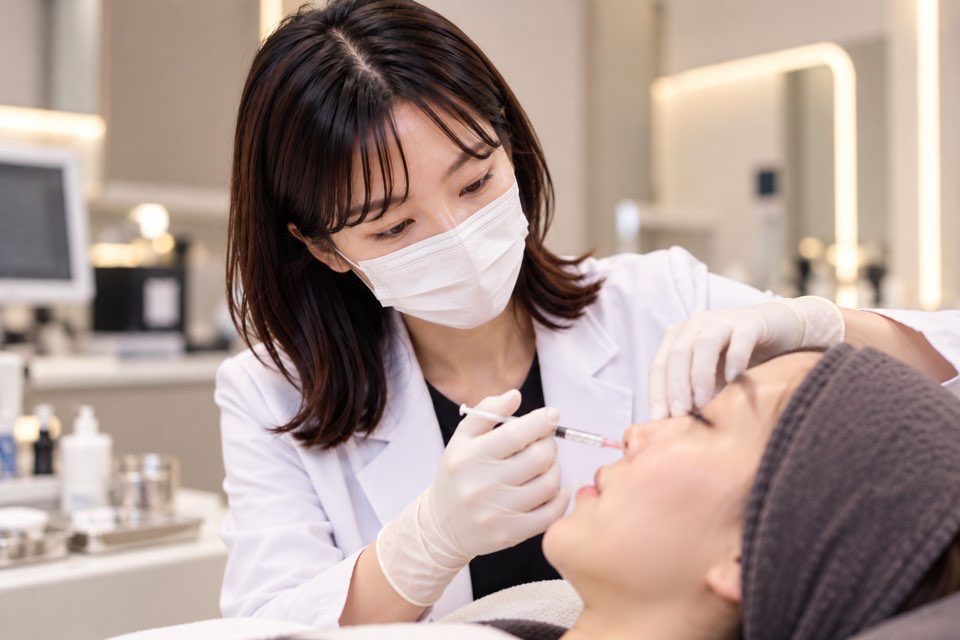
Sessions for both treatments usually begin with a consultation, sometimes followed by numbing cream applied to the treatment area. The practitioner then injects the product using a needle or cannula at multiple points across the target zone. A single session commonly takes somewhere between twenty and forty-five minutes, though this can vary depending on the area treated and the technique used. Some clinics combine either treatment with adjunct procedures, but that decision is made case by case and should not be assumed as standard.
Downtime and recovery
Mild redness, small bumps, or pinpoint bruising at injection sites are common with both Juvelook and Rejuran, and these usually settle within a few days. Some patients report slightly more visible swelling or a "bumpy" feel with Juvelook immediately after treatment, which generally resolves as the product disperses, though this varies by individual. Makeup can often be applied the following day once any pinpoint marks have faded, but sun exposure and strenuous exercise are typically advised against for a short period after injections. Recovery experience differs from person to person, and it is worth asking your provider what to expect for your specific skin type. Read about Thor RF vs Alltight.
How many sessions are usually needed
Both treatments are generally administered as a series rather than a single visit, since collagen stimulation and tissue repair take time. Many practitioners suggest a course of multiple sessions spaced several weeks apart, followed by occasional maintenance treatments depending on how the skin responds. The exact number of sessions recommended will differ based on the severity of the concern being addressed and the individual's skin condition, so any session count should be treated as a general guide rather than a fixed rule.
What drives the cost
Pricing for either treatment can vary based on factors such as the area treated, the number of vials or sessions required, the practitioner's experience, and the specific product formulation used.
Comparing Juvelook and Rejuran
| Factor | Juvelook | Rejuran |
|---|
| Main ingredient | Poly-D,L-lactic acid (PDLLA) | Polynucleotides (PN) |
| Primary goal | Collagen stimulation, firmness | Texture, hydration, repair |
| Onset of visible change | Gradual, over weeks to months | Gradual, often noticed in texture first |
| Typical downtime | Mild redness, possible bumps | Mild redness, pinpoint bruising |
| Session frequency | Multiple sessions, spaced weeks apart | Multiple sessions, spaced weeks apart |
| Best considered for | Early volume loss, skin laxity | Dullness, uneven texture, mild scarring |
Safety considerations
Both Juvelook and Rejuran are used widely in aesthetic clinics, but as with any injectable procedure, they carry some risk of side effects including bruising, swelling, temporary lumps, or, rarely, infection or allergic reaction. Neither treatment should be described as risk-free, and no clinic can guarantee a specific cosmetic outcome, since skin response varies from person to person. Choosing a practitioner who reviews your medical history, explains the procedure clearly, and provides aftercare instructions is an important part of managing these risks responsibly.
Frequently asked questions
Is Juvelook or Rejuran better for fine lines?
Both may contribute to smoother-looking skin over time, but they work differently — Juvelook focuses on stimulating collagen for firmness, while Rejuran is more associated with improving texture and hydration, so the better option depends on which concern is more prominent for you.
Can Juvelook and Rejuran be combined?
Some practitioners do discuss combining the two, but whether this is appropriate depends on your skin condition, treatment goals, and the practitioner's assessment, so it should only be decided after a proper consultation.
How long do results from either treatment last?
Results are not permanent for either treatment and gradually fade as the body continues its natural turnover process, so periodic maintenance sessions are commonly discussed, though the exact duration varies by individual.
Does either treatment hurt during injection?
Most patients experience only mild discomfort, especially when numbing cream is applied beforehand, but pain tolerance and sensitivity differ from person to person.
How soon can I see results after treatment?
Because both treatments rely on gradual biological processes, visible changes typically build up over several weeks rather than appearing immediately, and the pace of improvement can vary considerably between individuals.
More patient articles
The information on this page is general and is not medical advice. It does not replace a consultation with a doctor. Every procedure carries risk, suitability differs between individuals and an outcome cannot be guaranteed. Prices are in Korean won and exclude 10% VAT; event prices can change.
 Myeongdong