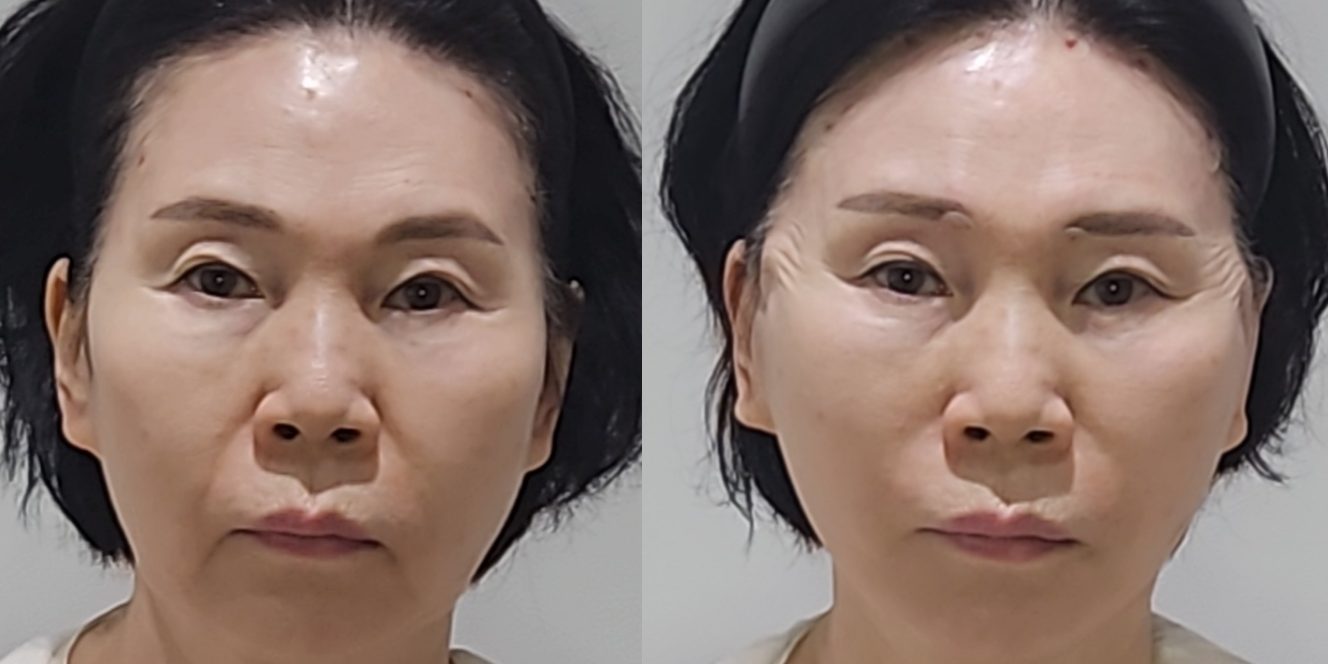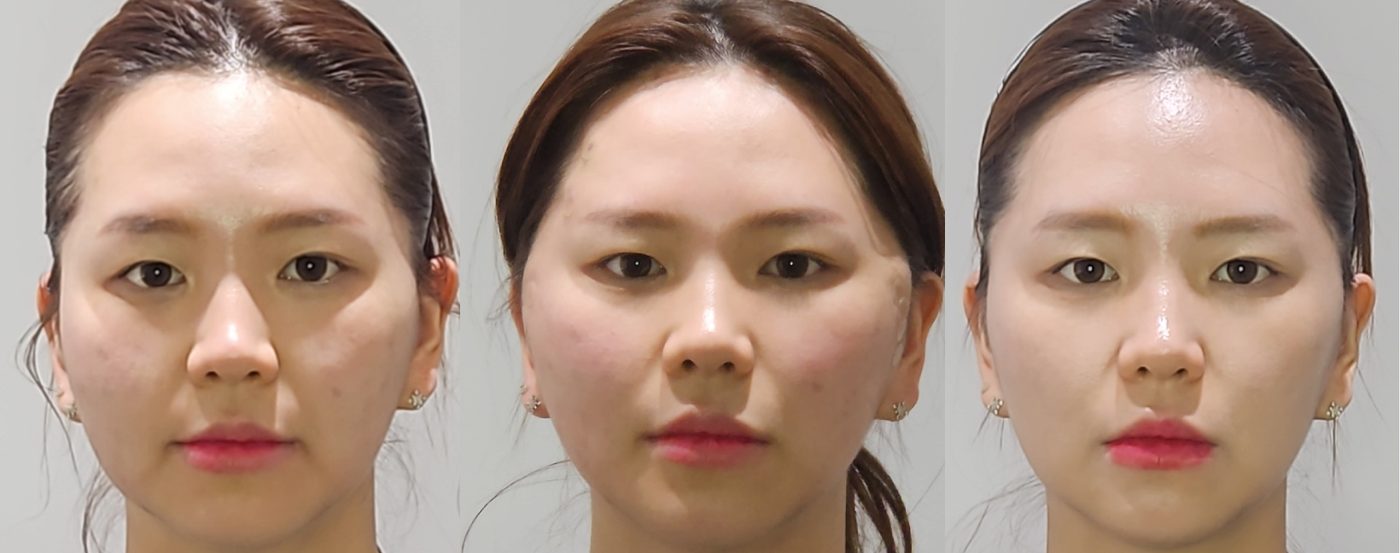
Thread Lifting in Seoul
Thread lifting, sometimes called sili lifting, is a non-surgical procedure that uses fine dissolvable threads inserted under the skin to create a mild lifting and supportive effect on sagging tissue. Patients searching for thread lifting Seoul options often want a lower-downtime alternative to surgical facelifts. At DOD Skin Cheongdam, thread lifting is offered as part of an on-demand contouring program designed around each patient's facial structure and goals. This page explains what the treatment involves, who it may suit, and what to expect before booking a consultation in Seoul.
What it is
Thread lifting involves inserting sterile, absorbable threads through fine needles or cannulas into the subcutaneous layer of the face or neck. The threads create mechanical tension that can lift loose tissue and, over time, may stimulate some collagen response as the material is gradually absorbed by the body. This is a contouring technique, not a substitute for surgery, and it is generally used to soften the appearance of sagging along the jawline, cheeks, or neck. Because thread lifting is minimally invasive, it is typically performed under local anesthesia in a clinic setting rather than an operating room.
Who it suits
Thread lifting tends to be considered by patients who have mild to moderate skin laxity but are not yet ready for, or interested in, surgical intervention. It may also appeal to those who want a shorter recovery period compared with a facelift, or who wish to address early signs of sagging before more advanced changes occur. Some patients choose thread lifting as a maintenance option between other treatments, while others use it to refine the jawline or midface contour. Suitability varies by individual skin quality, age, and the degree of laxity present, which is why an in-person evaluation is recommended before any decision is made.
Who should avoid it
Thread lifting is not appropriate for everyone. Patients with active skin infections, uncontrolled bleeding disorders, or known allergies to the thread material should avoid the procedure. It is generally not recommended during pregnancy or breastfeeding, and patients with significant skin excess or deep structural sagging may find the results insufficient, since threads cannot replace the tissue removal and repositioning achieved through surgery. Patients on certain blood-thinning medications should disclose this during consultation, as it may affect bruising risk or require a temporary pause in medication under physician guidance. A thorough medical history review during consultation helps determine whether thread lifting is a reasonable option or whether an alternative approach should be discussed.
How the session goes
A typical visit begins with a consultation where a doctor assesses skin laxity, facial structure, and treatment goals. Photographs may be taken for reference. Once a plan is agreed upon, the treatment area is cleaned and local anesthesia is applied to reduce discomfort. The physician then inserts the threads along predetermined vectors, adjusting tension to achieve the desired lift. The number of threads used depends on the treatment area and the extent of laxity being addressed, and this is decided on a case-by-case basis rather than following a fixed protocol. Most sessions are completed within an hour, though timing can vary depending on the areas treated and individual anatomy. Because thread lifting is performed under local rather than general anesthesia, patients are usually able to leave the clinic shortly after the procedure.
Downtime and recovery
Downtime after thread lifting is generally shorter than after surgical lifting procedures, but it is not entirely without recovery time. Mild swelling, bruising, tightness, or tenderness at insertion points is common in the first few days. Some patients notice slight puckering of the skin near entry points, which typically settles within one to two weeks. Strenuous exercise, excessive facial movement, and pressure on the treated area are usually discouraged for a period after treatment, and specific aftercare instructions will be provided by the treating doctor. Results are not immediate in every case; some lifting effect may be visible right away, while collagen-related changes can continue to develop over subsequent weeks. As with any procedure, individual healing time and final appearance vary, and outcomes are not guaranteed to be identical between patients.
Pricing
Specific pricing for thread lifting is not published here, as the number of threads, treatment area, and technique used are determined individually after consultation. Patients should expect that quoted prices may not include VAT and that a consultation fee may apply separately. For an accurate quote, contact the clinic directly at 02-6203-6263 or [email protected], or visit in person at 423 Dosan-daero, Gangnam-gu, Seoul, Cheongdam-dong 91-11.
Safety
As with any minimally invasive procedure, thread lifting carries some risk, including infection, asymmetry, thread migration, or an unsatisfactory aesthetic result. These risks are generally considered low when the procedure is performed by a trained physician in a clinical setting, but they cannot be entirely eliminated. Patients are encouraged to disclose their full medical history, including allergies and current medications, and to ask questions about the specific technique and materials planned for their case. The clinic's medical team includes doctors such as Lee Joon, Chief Medical Director, and Kim Sangwoo, Ahn Jeongsik, and Hwang Seungkyung, each listed with their respective backgrounds; patients may ask during consultation which doctor will be performing their procedure. Following aftercare instructions closely and attending any recommended follow-up visits supports a smoother recovery and helps the clinical team monitor healing.
Frequently asked questions
How long do the effects of thread lifting typically last?
Results vary by individual, skin condition, and lifestyle, and the threads themselves are gradually absorbed by the body over time, so any lifting effect is not permanent and may require maintenance treatments.
Is thread lifting painful?
Local anesthesia is used to reduce discomfort during the procedure, though patients may feel some pressure or mild sensation as the threads are inserted; tenderness afterward is common but usually manageable.
Can thread lifting replace a surgical facelift?
No, thread lifting is a non-surgical contouring option intended for mild to moderate laxity; it does not remove excess skin or achieve the same degree of repositioning as surgery.
How soon can I return to work after treatment?
Many patients return to routine activities within a few days, though visible swelling or bruising may take one to two weeks to fully resolve depending on the individual.
Who will perform my thread lifting procedure at the clinic?
The treating doctor is assigned based on consultation and scheduling, and patients are welcome to ask in advance which physician from the clinic's team will be handling their case.