General guide for international patients. It is not specific to DayBeau Clinic Myeongdong, and some treatments discussed may not be offered at the clinic — see the treatments linked below for what is.
Choosing between Alltight and thread lifting is one of the most common questions patients ask when researching non-surgical facial contouring options in Seoul.
What Each Treatment Is
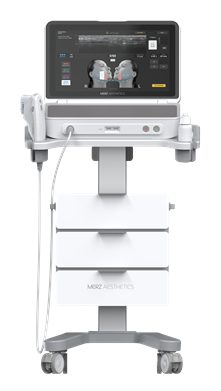
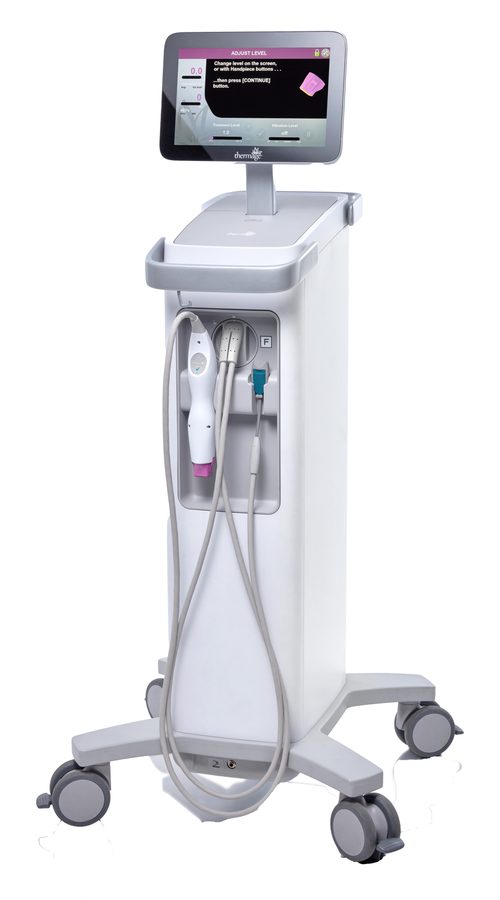
Alltight is a lifting treatment. It is designed to work on the skin's supportive layers to encourage a firmer, more toned appearance over time. Thread lifting, sometimes called sili lifting, involves inserting fine dissolvable threads under the skin to provide mechanical support and stimulate the body's own collagen response. Both are considered non-surgical options, but they work through different mechanisms — one primarily energy-based, the other structural. Read about how Thread Lift is planned here.
Because the two treatments approach lifting differently, an alltight vs thread lifting decision often comes down to the degree of laxity being addressed, the area of concern, and how much downtime a patient can tolerate. Read about how Ultherapy Prime works here.
Who It Suits
- Alltight tends to be considered by patients with early to moderate skin laxity who want a treatment with little to no visible recovery period.
- Thread lifting is often discussed for patients who notice more pronounced sagging, particularly around the jawline, cheeks, or neck, and who are looking for a more mechanical lifting effect.
- Both can be considered by adults in general good health who understand that results vary from person to person and are not permanent.
Who Should Avoid It
Neither treatment is automatically appropriate for everyone. Patients with active skin infections, certain autoimmune conditions, uncontrolled bleeding disorders, or who are pregnant or breastfeeding are generally advised to postpone these procedures until cleared by a doctor. Thread lifting in particular may not be suitable for patients with very thin skin, prior thread complications, or unrealistic expectations about the extent of lift achievable. A consultation with a doctor is the appropriate way to determine individual suitability, since medical history and skin assessment play a large role in this decision.
How the Session Goes
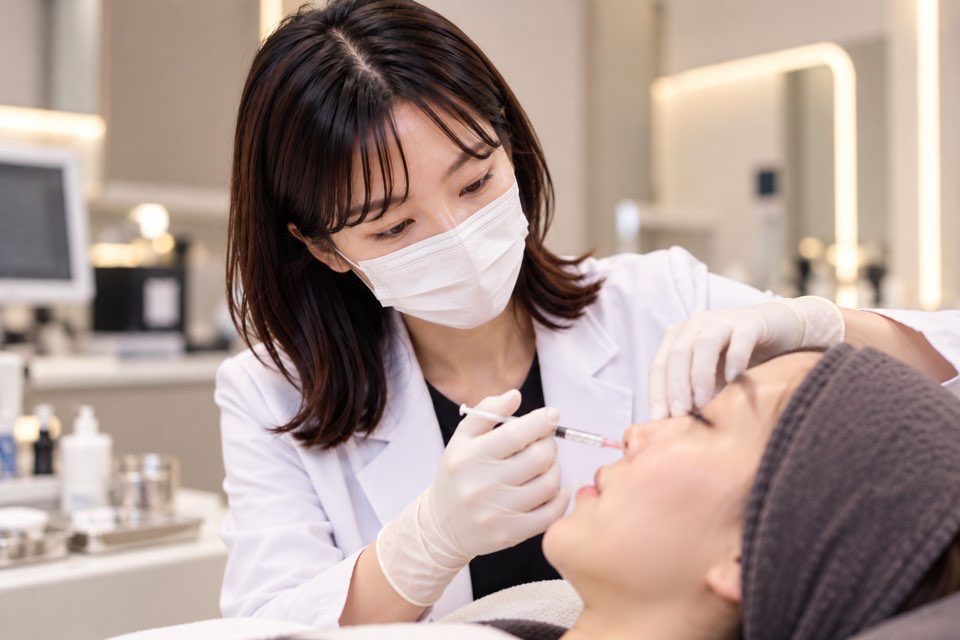
An Alltight session typically begins with a skin assessment, followed by application of the device across the treatment area. Sessions are usually completed within the same visit, with numbing cream sometimes used depending on comfort level. Thread lifting sessions involve a more procedural approach: the treatment area is cleaned and numbed, and threads are inserted through small entry points using a guided needle or cannula. The doctor adjusts thread placement to support the desired lift direction. Session length for thread lifting is generally longer than for Alltight, given its more involved technique, though exact timing depends on the number of threads and areas treated. Read about Clinic Glass Skin Treatment vs At-Home Routine.
Downtime and Recovery
Recovery expectations differ meaningfully between the two. Alltight is often associated with minimal downtime, meaning many patients return to regular activities the same day, though mild redness or warmth in the treated area can occur temporarily. Thread lifting typically involves a short recovery period, with possible swelling, bruising, or a pulling sensation for several days to around a week. Some patients notice mild asymmetry or visible dimpling in the early days, which usually settles as swelling resolves. Strenuous facial movements, extensive dental work, and vigorous exercise are often advised against for a short period after thread lifting, as guided by the treating doctor. Recovery experience varies by individual, and any unusual or prolonged symptoms should be reported to the clinic promptly.
Safety
Both treatments carry general risks associated with minimally invasive skin procedures, including temporary redness, swelling, bruising, or discomfort at treatment sites. Thread lifting carries additional considerations related to thread migration, palpability, or infection, though these are uncommon when performed by a trained doctor using appropriate technique. No treatment can guarantee a specific outcome, and results depend on factors such as skin quality, age, lifestyle, and how the body responds to the procedure. Patients are encouraged to disclose their full medical history and any previous cosmetic procedures before treatment. Read about Korean Skincare Treatments Worth Trying in Seoul.
Ultimately, an alltight vs thread lifting comparison is not about which treatment is universally better, but which one aligns with a patient's specific skin condition, goals, and tolerance for downtime.
Frequently asked questions
Can Alltight and thread lifting be combined in one treatment plan?
Some patients discuss combination approaches with their doctor, as the two treatments work through different mechanisms, but suitability depends on individual assessment during consultation.
How long do results from thread lifting typically last?
Results vary between individuals and are not permanent, as the threads gradually dissolve over time while any collagen response also changes gradually.
Is thread lifting painful?
Local numbing is generally used to reduce discomfort, though some pulling or pressure sensation during and shortly after the procedure is common.
Do I need multiple sessions of Alltight to see a difference?
Many patients require more than one session depending on their skin condition and goals, and the doctor will recommend a schedule based on individual assessment.
More patient articles
The information on this page is general and is not medical advice. It does not replace a consultation with a doctor. Every procedure carries risk, suitability differs between individuals and an outcome cannot be guaranteed. Prices are in Korean won and exclude 10% VAT; event prices can change.
 Myeongdong