General guide for international patients. It is not specific to DayBeau Clinic Myeongdong, and some treatments discussed may not be offered at the clinic — see the treatments linked below for what is.
If you are trying to decide between laser toning vs pico toning for pigmentation, redness, or overall skin tone, the short answer is this: laser toning tends to be chosen for melasma and stubborn, deeper pigment because it works gradually with lower energy over more sessions, while pico toning is often preferred for quicker pigment clearing, superficial sun spots, and general skin brightening because its shorter pulses cause less heat buildup. Neither option is universally "better" — the right choice depends on your skin type, the pigment you are treating, how much downtime you can accept, and how your skin responds, which varies from person to person.
How they work: mechanism
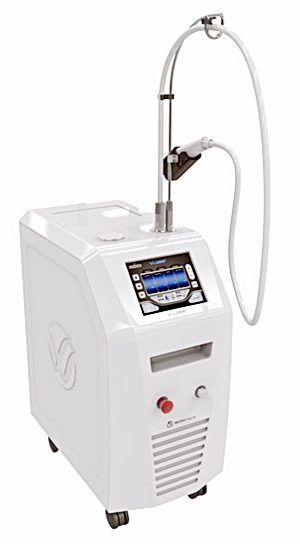
Both treatments use lasers to target pigment in the skin, but the way they deliver energy differs. Laser toning typically uses a Q-switched Nd:YAG laser set to low fluence, passed over the skin in multiple gentle passes. The energy heats pigment gradually, which is thought to reduce the risk of triggering post-inflammatory hyperpigmentation, especially in melasma-prone skin. Read about how Pico & Genesis Toning (Melasma, Freckles) is planned here.
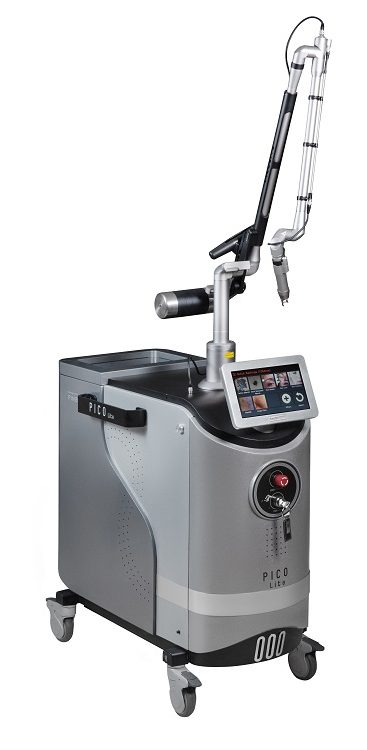
Pico toning uses picosecond lasers, which deliver energy in extremely short pulses — measured in trillionths of a second rather than billionths. This creates a photomechanical effect that breaks pigment into smaller particles with less surrounding heat. In theory, this means less thermal damage to surrounding tissue, though individual skin reactions still vary and cannot be predicted with certainty. Read about how V-Laser for Redness & Acne Marks works here.
Who each option suits
Laser toning is often considered for people with melasma, uneven tone linked to hormonal or sun-related pigmentation, and those who want a slow, controlled approach with fewer flare-up risks. It may also suit patients who have had irritation from more aggressive treatments in the past.
Pico toning is generally considered by people looking for visible improvement in a shorter series of sessions, those with freckles or sun spots, and patients wanting a brightening effect alongside some textural improvement. Some pico devices also offer a toning mode that can help with mild scarring or pore appearance, though this depends on the device and settings used. Read about Choosing a Skin Clinic in Seoul.
Who should avoid either option
Neither treatment is appropriate for everyone. People with active skin infections, open wounds, or a history of keloid scarring should discuss this with a qualified provider before proceeding. Those who are pregnant, have recently used isotretinoin, or have very tanned or sun-sensitized skin may need to wait or choose a different approach. A consultation with a licensed doctor is the appropriate way to determine suitability, since skin type, pigment depth, and medical history all affect outcomes.
How the session goes
Both treatments follow a similar general pattern. The skin is cleansed, sometimes a topical numbing cream is applied for comfort, and the laser is passed over the treatment area. Laser toning sessions often take longer because of the multiple low-energy passes required. Pico toning sessions can be quicker due to the rapid pulse delivery, though the exact time depends on the treatment area and the device settings the provider chooses. Most patients describe a mild stinging or warm sensation rather than significant pain, though pain tolerance differs from person to person. Read about Ulthera vs Thermage.
Downtime and recovery
Downtime is generally minimal for both treatments, but it is not always the same. Laser toning is designed to be gentle, so most people see slight redness that fades within a few hours to a day. Pico toning can sometimes cause pinpoint bleeding, mild swelling, or small crusting known as micro-crusting, particularly when treating denser pigment, and this may take several days to resolve. Sun protection is essential after either treatment, and skipping it can undo progress or trigger new pigmentation. Recovery experiences vary, and some people may need a day or two before resuming normal activities.
Sessions needed and what drives pricing
Laser toning for melasma is typically done in a series, often weekly or biweekly, because the gradual approach requires cumulative treatments to see meaningful change. Pico toning sessions are usually spaced a few weeks apart, and improvement may be noticeable sooner, though full results still take multiple sessions for most patients.
Pricing for either treatment is not fixed and depends on factors such as the device used, the size of the treatment area, the number of sessions recommended, and the clinic's location and equipment. Consultation fees and VAT may also apply separately and can vary by provider.
Safety considerations
Both laser toning and pico toning are widely used aesthetic treatments, but no laser treatment is entirely without risk. Possible side effects include temporary redness, mild swelling, dryness, or in rare cases, changes in pigmentation. The likelihood and severity of side effects depend on individual skin type, the settings used, and how well aftercare instructions are followed. A licensed doctor should assess your skin and medical history before treatment, and results should be discussed as expected outcomes rather than guarantees, since skin response varies from person to person.
| Factor | Laser toning | Pico toning |
|---|
| Best suited for | Melasma, deeper or hormonal pigment | Sun spots, freckles, general brightening |
| Energy delivery | Low-fluence, multiple gentle passes | Ultra-short pulses, less heat |
| Typical downtime | Minimal, mild redness | Possible micro-crusting or mild swelling |
| Session frequency | Often weekly or biweekly | Usually spaced a few weeks apart |
| Session count | Multiple sessions, gradual approach | Multiple sessions, variable pace |
Frequently asked questions
Which is more effective, laser toning or pico toning?
Effectiveness depends on the type of pigment being treated and individual skin response, so neither option is definitively more effective for everyone; a provider's assessment is needed to determine the better fit.
Can I combine laser toning and pico toning?
Some providers do combine approaches depending on the skin concern, but this decision should be made by a doctor after evaluating your skin condition and treatment goals.
Does pico toning hurt more than laser toning?
Most patients describe both as mildly uncomfortable rather than painful, though pain tolerance and skin sensitivity vary from person to person.
How soon will I see results?
Some improvement may be visible after a few sessions with either treatment, but full results generally require a completed series, and timelines differ based on the individual and the pigment being treated.
Is downtime the same for both treatments?
Downtime is usually minimal for both, but pico toning can occasionally cause brief micro-crusting or swelling, while laser toning tends to produce only mild, short-lived redness.
More patient articles
The information on this page is general and is not medical advice. It does not replace a consultation with a doctor. Every procedure carries risk, suitability differs between individuals and an outcome cannot be guaranteed. Prices are in Korean won and exclude 10% VAT; event prices can change.
 Myeongdong