General guide for international patients. It is not specific to DayBeau Clinic Myeongdong, and some treatments discussed may not be offered at the clinic — see the treatments linked below for what is.
Choosing between Rejuran vs skin boosters usually comes down to what your skin needs most right now: deeper repair and texture support, or a lighter, more immediate hydration boost. Rejuran is a polynucleotide-based injectable often chosen for its regenerative, longer-acting effect on skin quality, while standard skin boosters typically rely on hyaluronic acid to add hydration and a temporary plumping effect. Neither option is universally "better" — the right choice depends on your skin condition, goals, downtime tolerance, and how your practitioner assesses your individual case.
What Rejuran is
Rejuran refers to injectable treatments containing polynucleotides, fragments derived from purified DNA material, which are used to support tissue repair and encourage the skin's own regenerative processes. It is generally positioned as a treatment for improving overall skin texture, tone, and resilience rather than adding immediate volume. Effects tend to build gradually over several sessions rather than appearing right away. Read about Rejuran Skin Boosters in Myeongdong.
What standard skin boosters are
Standard skin boosters usually contain hyaluronic acid formulated to sit in the superficial skin layers, drawing in moisture and giving a smoother, more hydrated appearance. Results are often visible sooner than with Rejuran, but they may also fade at a different pace since the ingredient works primarily through hydration rather than tissue-level repair. Some formulations are lightly cross-linked to extend how long the effect lasts. Read about PDRN & Retijen at this clinic.
Comparison at a glance
| Factor | Rejuran | Standard skin boosters |
|---|
| Main mechanism | Polynucleotides supporting tissue repair | Hyaluronic acid for hydration |
| Onset of visible effect | Gradual, over weeks | Often sooner, sometimes within days |
| Typical focus | Texture, elasticity, overall skin quality | Hydration, surface smoothness |
| Session frequency | Often spaced a few weeks apart, in a series | Varies; can be more frequent maintenance |
| Downtime | Possible mild swelling or bumps for a short period | Usually minimal, occasional redness |
| Longevity of effect | Variable, individual-dependent | Variable, individual-dependent |
This table is a general guide only. Actual outcomes and timelines differ from person to person, and a consultation is the only way to know which approach fits your specific skin condition.
Who each option suits
Rejuran is often considered by people dealing with uneven texture, enlarged pores, or skin that feels thin or reactive, since the treatment is framed around supporting the skin's structural quality over time. Standard skin boosters are frequently chosen by those wanting a quicker refresh in hydration and glow, particularly before an event or as a simpler maintenance step. People with drier skin types sometimes lean toward boosters for the hydration effect, while those focused on longer-term texture concerns may explore Rejuran instead. These are general tendencies, not fixed rules, and a practitioner's assessment of your skin should guide the final decision. Read about Thermage vs Densiti.
Who should avoid these treatments
Neither treatment is automatically suitable for everyone. People with active skin infections, unhealed wounds in the treatment area, known allergies to the specific ingredients used, or certain bleeding disorders are generally advised to avoid injectable skin treatments until those issues are addressed. Pregnant or breastfeeding individuals are commonly advised to postpone elective injectable procedures. Anyone on blood-thinning medication should disclose this beforehand, as it can affect bruising risk. A medical consultation is the appropriate way to confirm whether either option is appropriate for your health background.
How the session goes
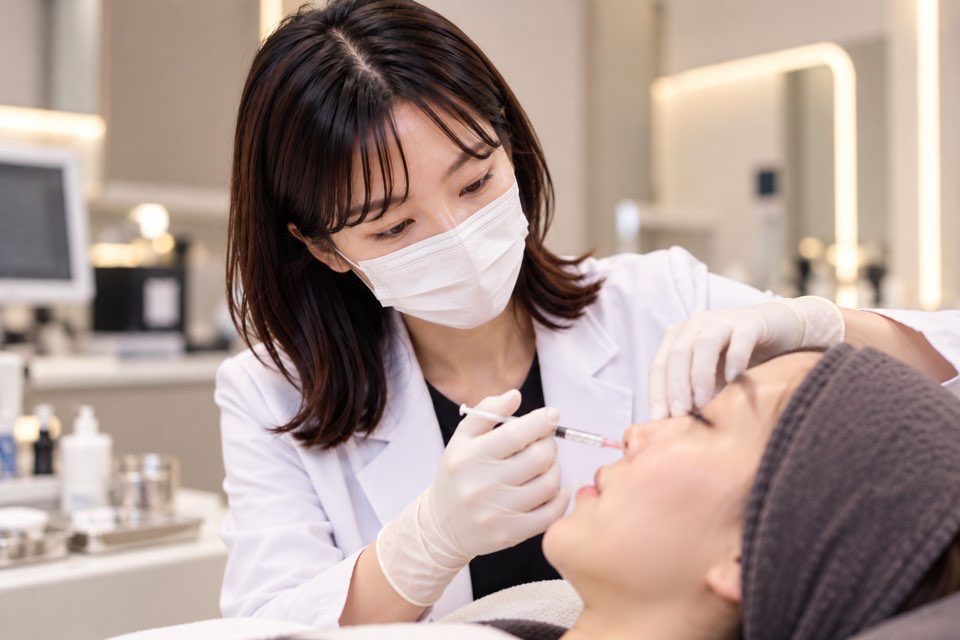
Both treatments typically begin with a skin assessment and a discussion of your goals and medical history. A topical numbing cream may be applied beforehand to reduce discomfort. The product is then injected using fine needles across the treatment area, sometimes with a series of small, closely spaced injections. Sessions for either option are usually completed within around 20 to 40 minutes, though this can vary depending on the treatment area and technique used by the practitioner. Read about Acne Treatment in Korea.
Downtime and recovery
Mild redness, small bumps, or slight swelling at injection points are common with both treatments and generally settle within a day or two. Rejuran may occasionally produce small raised bumps in the days following treatment as part of the expected healing response, though this varies between individuals. Standard skin boosters tend to cause less visible short-term reaction for many patients, though bruising can still occur. Makeup is usually avoidable for a short period after either treatment, and sun protection is generally recommended during the recovery window. Because reactions differ from person to person, your practitioner can give you a realistic sense of what to expect for your skin.
How many sessions and what drives price
Rejuran is often recommended as a short series, spaced several weeks apart, with maintenance sessions afterward depending on how the skin responds. Standard skin boosters may follow a similar initial series or be used more flexibly as periodic hydration top-ups. In the Rejuran vs skin boosters comparison, cost is generally influenced by the number of vials or syringes used, the size of the treatment area, the specific product line chosen, and whether the plan involves a single session or a course. Consultation fees and VAT may vary between providers, and no clinic can guarantee identical pricing across different skin conditions or treatment plans.
Safety
Both Rejuran and standard hyaluronic acid boosters are widely used injectable treatments, but like all injectables they carry some risk of bruising, swelling, infection, or, rarely, more significant complications. No injectable treatment can be described as entirely risk-free, and results are never guaranteed since skin response varies by individual. A thorough consultation, disclosure of your full medical history, and choosing a qualified practitioner to administer treatment are standard steps for reducing risk. If you notice unusual pain, prolonged swelling, or signs of infection after either treatment, prompt follow-up with a medical professional is advised.
Frequently asked questions
Is Rejuran better than a standard skin booster?
Neither option is inherently better; they work through different mechanisms and suit different goals, so the right choice depends on your skin condition and what you want to address.
Can Rejuran and standard skin boosters be combined?
Some practitioners may combine or alternate these treatments depending on individual skin assessment, but this decision should be made during a consultation rather than assumed in advance.
How long do results from either treatment last?
Duration varies considerably between individuals and depends on factors like skin type, lifestyle, and the specific product used, so no fixed timeframe applies to everyone.
Does either treatment hurt?
Most patients experience mild discomfort during injections, which is often reduced with topical numbing cream, though sensitivity levels differ from person to person.
How soon can I see results after treatment?
Standard skin boosters may show a hydration effect within days for some people, while Rejuran's effects tend to build more gradually over several weeks, and individual timelines can differ.
More patient articles
The information on this page is general and is not medical advice. It does not replace a consultation with a doctor. Every procedure carries risk, suitability differs between individuals and an outcome cannot be guaranteed. Prices are in Korean won and exclude 10% VAT; event prices can change.
 Myeongdong