General guide for international patients. It is not specific to DayBeau Clinic Myeongdong, and some treatments discussed may not be offered at the clinic — see the treatments linked below for what is.
Korean glass skin treatment refers to a combination of professional skincare procedures designed to create the luminous, translucent, and deeply hydrated complexion that has become synonymous with Korean beauty. In Seoul, clinics—particularly those concentrated in the Gangnam and Apgujeong districts—offer tailored programmes that typically combine skin boosters, laser toning, aqua peels, and intensive hydration therapies to achieve this effect. Unlike a single procedure, glass skin is generally a result: a skin condition rather than one treatment, which is why most clinics in Seoul build a multi-step protocol around each patient's skin type and concerns.
What Does a Glass Skin Treatment Protocol Typically Include?
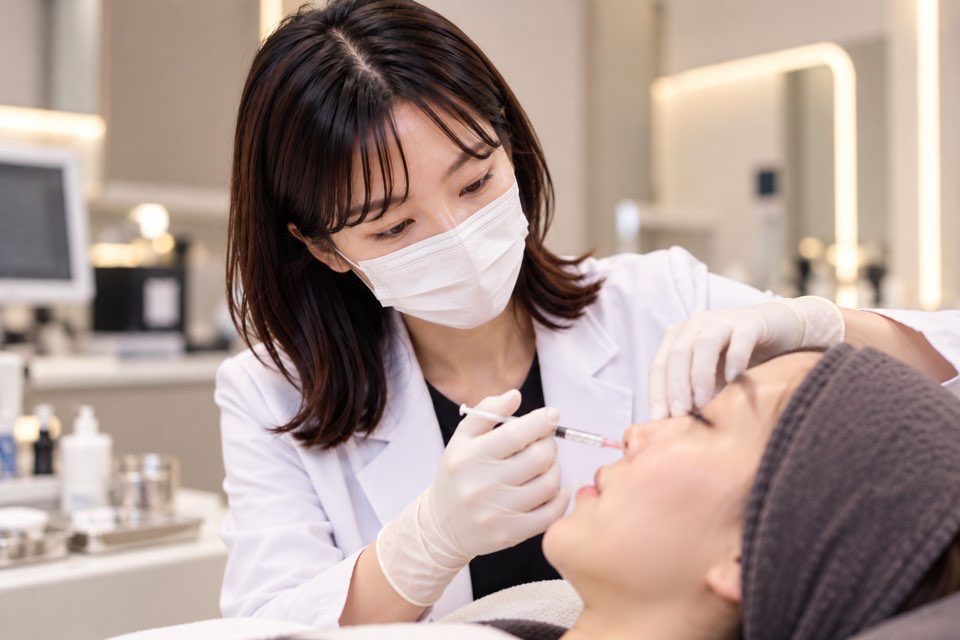
Most clinics in Seoul approach glass skin as a layered result requiring several complementary treatments. A standard protocol often begins with a deep cleansing procedure such as an aqua peel or hydrodermabrasion, which removes dead skin cells and unclogs pores without irritation. This is frequently followed by a skin booster injection—hyaluronic acid-based injectables like Rejuran, Juvelook, or similar bio-stimulators are widely used across Seoul clinics to improve dermal hydration and elasticity from within. Read about Skinvive, Belotero Revive & Lilied M in Myeongdong. Read about Rejuran Skin Boosters at this clinic.
Laser toning is another common element. Low-fluence Q-switched Nd:YAG laser sessions help address pigmentation, refine pores, and impart the even skin tone central to the glass skin look. Some clinics also incorporate LED light therapy, microneedling with growth factor serums, or collagen-stimulating radiofrequency treatments depending on the patient's baseline skin condition. The sequencing of these steps matters, and a thorough skin consultation before any treatment is strongly recommended. Read about Juvelook vs Rejuran.
Popular Treatments Offered at Seoul Clinics
- Skin booster injections (Rejuran, hyaluronic acid fillers): Micro-injections that deliver deep hydration and stimulate collagen, often cited as foundational to achieving a glass-like surface texture.
- Aqua peel / hydrodermabrasion: A gentle exfoliation and extraction treatment that leaves skin noticeably smoother and more receptive to subsequent treatments.
- Laser toning: Low-energy laser sessions that reduce melanin irregularities and improve overall skin clarity over a course of treatments.
- PRP or growth factor therapy: Uses the patient's own plasma or concentrated growth factors to support skin renewal and radiance.
- Intensive sheet mask or ampoule infusion: Often used as a finishing step in-clinic to seal in hydration and soothe the skin post-procedure.
What to Expect: Sessions, Downtime, and Results
Glass skin is rarely achieved in a single visit. Many clinics in Seoul recommend an initial course of four to six sessions spaced one to two weeks apart, with maintenance treatments scheduled monthly or quarterly thereafter. Individual results vary depending on skin type, age, lifestyle factors, and which combination of treatments is used—patients should discuss realistic expectations directly with their treating clinician. Read about Sensitive Skin vs Standard Protocol.
Downtime is generally minimal for most components of a glass skin programme. Aqua peels and laser toning typically involve little to no recovery time, though mild redness for a few hours is common. Skin booster injections may cause small, temporary bumps at injection sites that usually resolve within a day or two. Patients with more sensitive skin or those combining multiple procedures in one session may experience slightly more post-treatment sensitivity, and sun protection afterwards is consistently advised by clinics across Seoul.
Practical Advice for International Patients
Clinics across Gangnam and Apgujeong routinely see international patients and many employ English-speaking coordinators or offer translation support. That said, it is worth confirming language availability before booking. Patients should arrive in Seoul with a clear understanding of their own skin concerns and any history of skin sensitivity, allergies, or prior procedures, as this information directly shapes the treatment plan a clinic will recommend.
Timing matters too. Those planning to combine glass skin treatments with other procedures—such as fillers or more intensive laser resurfacing—should allow adequate spacing between sessions. A general consultation, ideally conducted before or at the very start of a visit, helps clinics in Seoul design a schedule that fits within the patient's stay. Most clinics recommend avoiding heavy sun exposure, alcohol, and exfoliating products in the days surrounding treatment.
Frequently Asked Questions
Is glass skin treatment suitable for all skin types? Most components of a glass skin protocol can be adapted for different skin types, including sensitive and acne-prone skin, though the specific treatments selected will differ. Darker skin tones require careful laser parameter settings; patients should ask their clinic specifically about their experience with their skin tone before proceeding.
How long do results last? Results are not permanent. Skin booster effects typically last several months, while improvements from laser toning tend to build gradually over a course of sessions. Maintenance visits and a consistent home skincare routine are generally considered essential for sustaining results.
Is this article medical advice? No. The information here is intended as general guidance for research purposes only. Patients should consult a qualified doctor or aesthetic clinician in Seoul to receive advice tailored to their individual skin condition and health history.
More patient articles
The information on this page is general and is not medical advice. It does not replace a consultation with a doctor. Every procedure carries risk, suitability differs between individuals and an outcome cannot be guaranteed. Prices are in Korean won and exclude 10% VAT; event prices can change.
 Myeongdong