General guide for international patients. It is not specific to DayBeau Clinic Myeongdong, and some treatments discussed may not be offered at the clinic — see the treatments linked below for what is.
Choosing between in-clinic procedures and home-care maintenance is one of the most common questions international patients ask before or after a trip to Seoul. The short answer: if you need a visible, faster change in skin texture, pigmentation, or laxity, in-clinic treatment is usually the more direct route, while home care is what sustains and slowly builds on those results over time. Most patients who research in clinic vs home care maintenance Korea options end up using both, not choosing one exclusively. The right balance depends on your skin concern, your timeline in Korea, and how much daily consistency you can realistically maintain once you return home.
How they work: the underlying mechanism
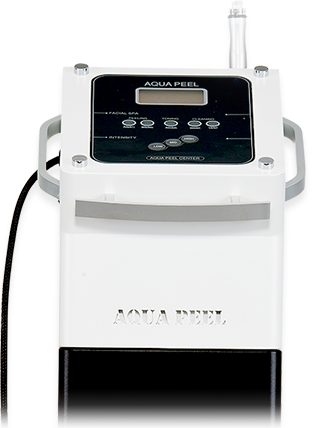
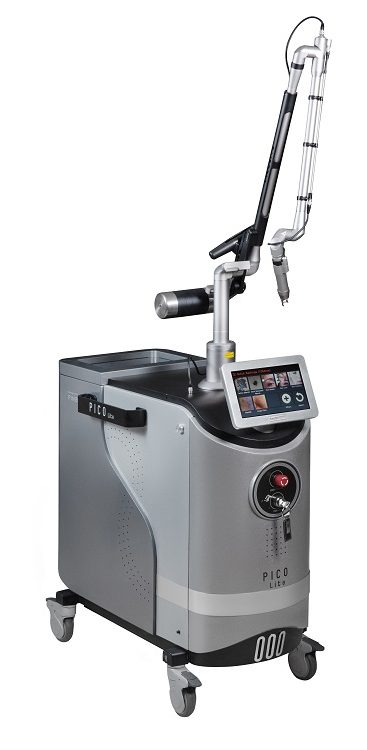
In-clinic treatments use energy-based devices, injectables, or controlled chemical exfoliation to trigger a stronger biological response than skin can generate on its own. Lasers, radiofrequency, and microneedling create measured micro-injury that stimulates collagen remodeling; peels adjust surface cell turnover more aggressively than any topical product. These are typically administered by a licensed provider who can adjust settings to skin type and tolerance during the session. Read about Skin Care & Peels in Myeongdong.
Home-care maintenance, by contrast, relies on lower-concentration actives such as retinoids, vitamin C, niacinamide, or gentle acids used repeatedly over weeks and months. The mechanism is cumulative rather than immediate: consistent barrier support and mild cell turnover, rather than a single strong stimulus. Neither approach replaces the other; they operate on different timescales and different intensities. Read about Skinvive, Belotero Revive & Lilied M at this clinic.
Who each option suits
In-clinic care tends to suit people with a specific, visible concern, a limited travel window, or a goal tied to an event, since it can produce a noticeable shift within one visit or a short series. It also suits those who prefer a professional assessment before starting anything, particularly for pigmentation, acne scarring, or early laxity, since these conditions vary widely between individuals and can look similar while responding differently to treatment.
Home-care maintenance suits people focused on long-term skin health, prevention, or gradual improvement rather than a dramatic change. It also suits anyone who cannot commit to downtime or repeat visits, whether due to schedule, sensitivity, or budget. For patients traveling to Korea specifically for treatment, home care is what carries the results forward after the in-clinic phase ends, so the two are often planned together rather than compared as competitors. Read about Korean Skincare Treatments Worth Trying in Seoul.
Downtime and recovery
In-clinic procedures carry more variable downtime. Some, like light toning lasers or superficial peels, may cause only mild redness for a few hours. Others, such as deeper resurfacing or certain injectable treatments, can involve swelling, flaking, or bruising lasting several days. Recovery depends heavily on individual skin reactivity, the device or technique used, and how the provider calibrates intensity, so it is not possible to state a single expected timeline for everyone.
Home-care maintenance generally has minimal downtime, though stronger actives like retinoids can cause temporary dryness or irritation while skin adjusts, especially in the first few weeks. This is usually managed by adjusting frequency rather than stopping altogether, but again, tolerance differs from person to person. Read about Choosing a Skin Clinic in Seoul.
How many sessions or how long a routine takes
In-clinic results are typically discussed in terms of a session series rather than one visit, since collagen remodeling and pigment clearance happen gradually even when the initial trigger is fast. The number of sessions needed depends on the specific concern, its severity, and how the individual's skin responds, which is why a consultation is usually required before any plan is proposed.
Home care, by nature, does not have a fixed session count. It is an ongoing routine, and its visible effect usually builds over consistent use across months rather than weeks. Stopping a home-care routine typically means the incremental gains slow or plateau, whereas in-clinic effects, once achieved, tend to fade more gradually over a longer period, again varying by individual and by treatment type.
What drives price differences
In-clinic pricing is generally influenced by the device or technique used, the treated area size, the number of sessions in a plan, and the provider's assessment of what the skin needs. Consultation availability and any additional numbing or aftercare products can also factor in. Home-care costs are driven by product formulation, active ingredient concentration, and how frequently items need replacing, which is more predictable but recurring. Exact costs are not listed here since they depend on individual assessment; where pricing is discussed with any provider, patients should confirm whether VAT and consultation fees are included, as this can vary.
Safety considerations for both approaches
In-clinic treatments should be performed by a qualified provider who reviews skin history, medication use, and any prior reactions before proceeding, since some techniques are unsuitable for certain skin conditions, active infections, or recent sun exposure. Home-care actives, while lower risk overall, can still cause irritation, sensitivity, or interactions with other products if introduced too quickly or combined without guidance. Neither approach is risk-free, and results are never guaranteed for either category; response depends on skin type, adherence, and biological variation between patients.
| Factor | In-clinic treatment | Home-care maintenance |
|---|
| Speed of visible change | Often faster, within one to a few sessions | Gradual, over weeks to months |
| Mechanism | Stronger stimulus via device or injectable | Cumulative, lower-intensity daily use |
| Downtime | Ranges from none to several days | Minimal, occasional dryness or irritation |
| Session structure | Defined series, assessed individually | Ongoing routine, no fixed count |
| Price drivers | Device, area, session count, assessment | Product formulation and frequency of use |
| Best suited for | Specific concerns, limited timelines | Prevention and long-term upkeep |
Frequently asked questions
Can home-care products replace in-clinic treatment entirely?
For prevention or mild concerns, home care alone may be sufficient, but for more visible pigmentation, scarring, or laxity, most people see faster and more noticeable change with in-clinic treatment first, followed by home-care maintenance.
How soon after an in-clinic procedure can I resume my regular skincare routine?
This depends on the specific treatment and how the skin is healing; a provider will usually advise a modified routine for a short period before returning to actives like retinoids or acids.
Is it necessary to continue home care if I've already had in-clinic treatment?
Continuing a home-care routine is generally recommended, since it helps sustain results and supports the skin barrier between any future in-clinic sessions, though the exact routine should be tailored individually.
Does traveling for treatment in Korea change how many sessions I need?
Not directly; the number of sessions depends on the condition being treated and individual response, not on travel itself, though some patients plan their visit around completing an initial series before returning home.
How do I know if my skin concern needs an in-clinic approach at all?
A consultation with a qualified provider is the most reliable way to assess this, since concerns that look similar on the surface, such as pigmentation versus vascular redness, can require very different approaches.
More patient articles
The information on this page is general and is not medical advice. It does not replace a consultation with a doctor. Every procedure carries risk, suitability differs between individuals and an outcome cannot be guaranteed. Prices are in Korean won and exclude 10% VAT; event prices can change.
 Myeongdong