CONCERN

Wrinkles & Fine Lines — Treatment Options in Seoul

Medically reviewed by Lee Joon, Chief Medical Director (대표원장) · Reviewed by our editorial team

Wrinkles and fine lines develop for many reasons, including sun exposure, natural aging, repeated facial expressions, and loss of collagen over time. For patients researching a deep wrinkles treatment Seoul clinics can offer, it helps to understand what injectable treatments can realistically achieve, how sessions are typically structured, and what recovery looks like before booking an appointment. This page outlines the two injectable options available at DOD Skin Cheongdam, located in Gangnam-gu, and explains how they are generally used for facial lines and volume loss.

What wrinkle treatments are and how they work

The two main injectable options offered are dermal filler and botulinum toxin, commonly known by the brand name Botox. Filler is used to restore lost volume and support areas where skin has thinned or sagged, such as nasolabial folds, cheeks, and temples. Botox works differently: it temporarily relaxes the small facial muscles that create dynamic wrinkles, such as forehead lines, crow's feet, and glabellar lines between the eyebrows. Many patients considering a deep wrinkles treatment Seoul option combine both approaches, since static wrinkles from volume loss and dynamic wrinkles from muscle movement often respond to different tools.

Who these treatments suit

Filler and Botox are generally suitable for adults who notice early to moderate wrinkles, volume loss, or expression lines and who want a non-surgical option with limited downtime. Good candidates are usually in reasonably good general health, have realistic expectations about gradual and temporary improvement, and are not currently pregnant or breastfeeding. Patients with deeper, more established wrinkles or significant skin laxity may need a combination of treatments, and a consultation is the appropriate place to discuss which approach may fit their skin condition.

Who should avoid these treatments

Certain patients should avoid or delay filler and Botox injections. This includes people with active skin infections or inflammation in the treatment area, those with known allergies to the injectable ingredients, individuals with certain neuromuscular conditions, and anyone who is pregnant or breastfeeding. Patients on blood thinners or with bleeding disorders should disclose this during consultation, as it may affect bruising risk. Because individual medical histories vary, a licensed doctor at the clinic will review suitability during an in-person or virtual consultation before any treatment is scheduled.

How a session goes

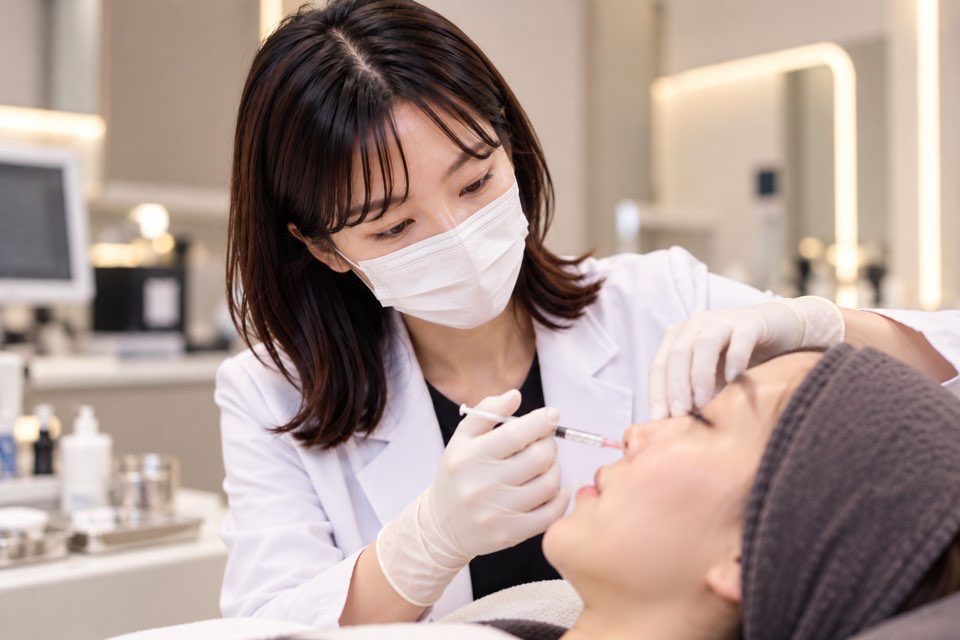
A typical visit begins with a consultation where the doctor examines the skin, discusses the patient's concerns, and explains the recommended approach. Numbing cream may be applied to reduce discomfort, depending on the treatment area. The injections themselves are usually brief, often taking between fifteen and thirty minutes depending on the number of areas treated. Fine needles are used to place filler or Botox at targeted points, and the doctor may check symmetry and results with the patient before finishing the session. Patients are generally able to see the treated area immediately, though filler results can take a few days to settle as any swelling reduces.

Downtime and recovery

Most patients return to normal daily activities the same day or the next day. Mild redness, swelling, or bruising at injection sites is common and usually resolves within a few days to about a week. Some clinics advise avoiding strenuous exercise, alcohol, saunas, or extreme heat for a day or two after treatment to reduce swelling and bruising risk. Botox results typically begin to appear within three to seven days and may continue to develop over the following two weeks, while filler results are often visible sooner. Results from both treatments are temporary and vary between individuals; effects from Botox generally last a few months, and filler longevity depends on the product type, treatment area, and the patient's own metabolism.

Pricing

Specific pricing for filler and Botox is not published in the facts available for this page, and costs generally depend on the number of units or syringes used, the treatment area, and the specific product selected. Patients are encouraged to contact the clinic directly for a personalized quote. As with most clinics in Seoul, final pricing may be subject to VAT and can vary based on the consultation outcome, so confirming current rates before treatment is recommended.

Safety

Filler and Botox are widely used injectable treatments, but like all medical procedures they carry some risk, including bruising, swelling, asymmetry, or, rarely, more serious complications. Choosing a clinic where a licensed physician performs or supervises the injection is an important safety consideration. At DOD Skin Cheongdam, treatments are provided under the care of doctors including Lee Joon, Chief Medical Director, along with Kim Sangwoo, Ahn Jeongsik, and Hwang Seungkyung. Patients should disclose their full medical history, including allergies and current medications, during consultation so the treating doctor can assess individual suitability and discuss expected outcomes, which differ from person to person.

Frequently asked questions

How long do Botox results typically last?

Botox results are temporary and commonly last a few months, though this varies depending on the individual's muscle activity, metabolism, and the treatment area.

Is filler treatment painful?

Most patients report mild discomfort rather than significant pain, and numbing cream can be applied beforehand to reduce sensitivity during the injection.

Can I combine filler and Botox in the same visit?

Many patients do combine both treatments in one visit, since they address different types of wrinkles, but the doctor will confirm what is appropriate based on the individual's skin and goals.

When will I see results after treatment?

Filler results are often visible soon after swelling reduces, while Botox typically takes three to seven days to show initial effects and may continue developing over about two weeks.

Do I need a consultation before booking treatment?

Yes, a consultation with the clinic's doctor is generally required to review medical history, discuss goals, and determine which treatment approach and pricing may be suitable for the individual patient.

General information for international patients. Not medical advice. Individual results vary; consult a qualified physician.

Related

DOD Skin Cheongdam — verify this clinic directly: Official Website · Instagram · YouTube · Naver